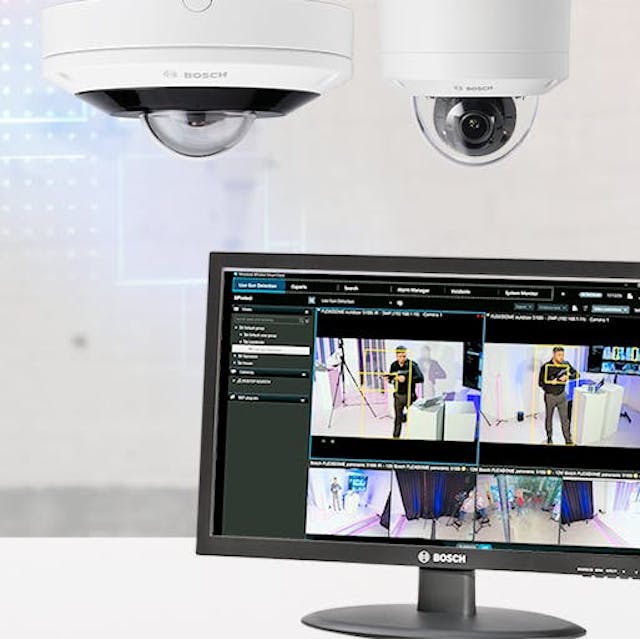
Have you ever wondered if security cameras can do more than just record footage? What if your camera could actually spot a weapon before trouble starts?
Imagine the peace of mind knowing your surveillance system can alert you to potential danger instantly. You’ll discover how advanced security cameras are changing the game by detecting weapons in real-time. Keep reading to find out if these smart cameras are the safety upgrade your home or business needs.

Credit: www.sdmmag.com
Weapon Detection Technology
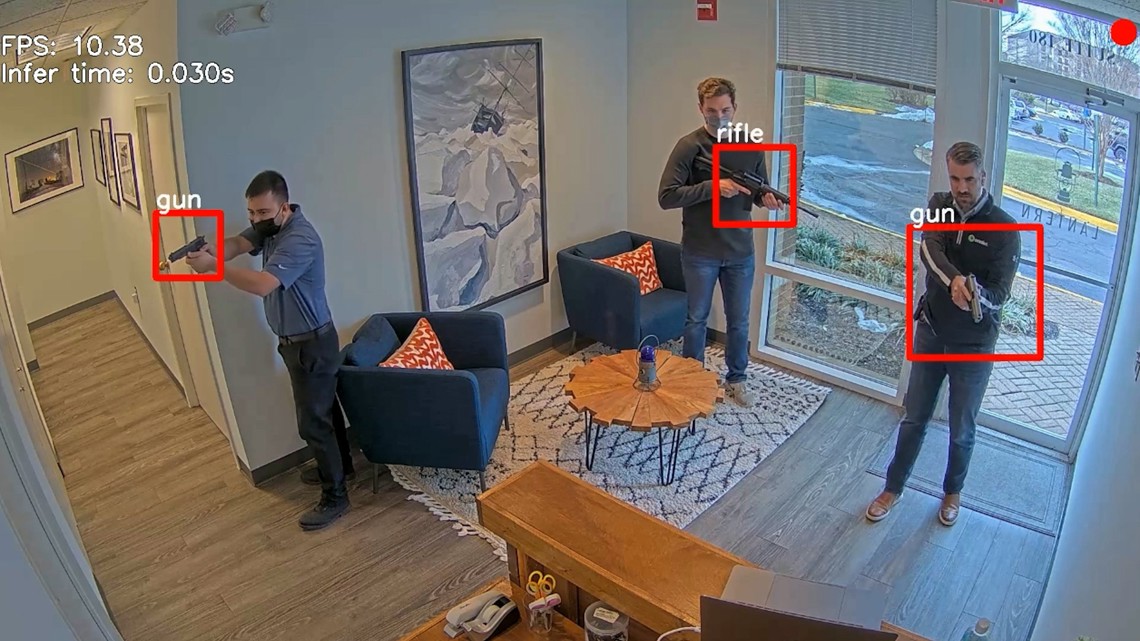
Weapon detection technology uses advanced cameras and software to find weapons quickly. These systems scan video feeds and look for shapes or patterns that match guns or knives. The goal is to alert security teams fast so they can act before any harm happens.
These cameras combine artificial intelligence (AI) with machine learning to improve accuracy. They can detect weapons even in crowded areas or low light. This technology supports many places like schools, airports, and public events for better safety.
Current Capabilities
Modern weapon detection cameras can identify common weapons like handguns, rifles, and knives. They analyze video frames in real time and send alerts instantly. Some systems use infrared sensors to detect heat signatures, helping in dark environments.
Many cameras connect to security networks, enabling faster response from guards or police. The AI learns from new data, improving detection over time. Some models also reduce false alarms by distinguishing harmless objects from real threats.
Potential Limitations
Detection accuracy depends on camera quality and placement. Poor lighting or obstructed views can reduce effectiveness. Some weapons hidden under clothes may go undetected.
False alarms still happen, causing unnecessary panic or delays. AI may confuse similar shapes with actual weapons. Privacy concerns arise as these cameras monitor public and private spaces closely.
Costs for advanced systems can be high, limiting use in smaller locations. Regular updates and maintenance are needed to keep detection reliable and current.
Credit: www.thv11.com
Types Of Security Cameras
Security cameras come in different types, each offering unique features that impact how effectively they protect your property. Understanding these types can help you choose the right system, especially if you want to detect potential threats like weapons. Let’s break down the most common options and what they bring to the table.
Traditional Cctv
Traditional CCTV cameras have been the backbone of security systems for decades. They mainly record video footage that can be reviewed later, but they don’t analyze what they capture in real-time.
You get a reliable and often affordable way to monitor your premises, but spotting a weapon requires manual review or someone watching the feed live. These cameras work well for general surveillance, but they don’t alert you to specific dangers automatically.
Think about your own experience—have you ever had to sift through hours of footage to find a critical moment? That’s the limitation of traditional CCTV.
Ai-powered Cameras
AI-powered cameras take security to a new level by using smart algorithms to analyze video in real-time. They can detect unusual objects, including weapons, and send alerts immediately.
This technology doesn’t just watch; it understands. For example, if someone brings a gun into a restricted area, the system can notify you instantly, helping you respond faster.
Imagine how this could change your security setup. Wouldn’t you want a system that acts as an extra set of eyes, spotting threats you might miss?
Machine Learning And Ai
Security cameras that can detect weapons rely heavily on machine learning and artificial intelligence to identify threats quickly and accurately. These technologies analyze video feeds in real-time, looking for specific shapes and patterns that match weapons. This allows security systems to respond faster, potentially preventing dangerous situations before they escalate.
Role In Weapon Detection
Machine learning models process vast amounts of video data to learn what weapons look like from different angles and in various lighting conditions. These systems don’t just spot a gun or knife; they also differentiate between harmless objects and actual threats. This reduces false alarms and ensures that security personnel can focus on real dangers.
Have you ever wondered how a camera can tell a phone from a gun? It’s the AI’s ability to analyze subtle differences in shape, size, and movement that makes this possible. This kind of technology is especially useful in crowded places where human attention might miss a suspicious object.
Training Algorithms
Training the AI involves feeding it thousands of images and videos that include weapons in different environments. The algorithm learns to recognize patterns and features unique to each type of weapon. The more data it processes, the better it becomes at identifying threats accurately.
During training, the algorithm also encounters many non-threatening objects to learn what to ignore. This balance helps the system avoid false positives, which can be costly and distracting in real-world security settings. You can think of it as teaching the system to focus on what matters most.
Would you trust a system that makes frequent mistakes, or one that gets smarter with every scan? The ongoing training of these algorithms means they improve continuously, adapting to new weapon types and concealment techniques over time.

Credit: callmc.com
Integration With Existing Systems
Integrating security cameras that detect weapons into existing systems can boost overall safety. It allows for better monitoring without replacing all equipment. This integration must handle technical and practical issues. Proper syncing of new and old systems ensures smooth operation and quick response.
Compatibility Challenges
New weapon detection cameras may not work with all older systems. Differences in software and hardware can cause issues. Some cameras need specific platforms or network setups. Integration requires checking device protocols and connection types.
Upgrading parts of the system might be necessary. This can include:
- Network switches
- Storage devices
- Monitoring software
Ensuring cameras communicate well with control rooms is key. Without proper compatibility, alerts might be delayed or missed.
Enhancing Security Protocols
Adding weapon detection cameras calls for updates in security rules. Staff must learn how to respond to new alerts. Clear steps help reduce panic and mistakes.
Automation can improve reaction time. Cameras can trigger alarms or notify guards instantly. This fast action helps prevent incidents.
Regular testing of the integrated system keeps it reliable. Drills and checks reveal any weak points. Adjustments maintain high security standards.
Ethical Considerations
Security cameras that can detect weapons bring powerful safety tools to public and private spaces. But their use raises important ethical questions that you need to consider carefully. These concerns focus on how the technology affects your privacy and whether it treats everyone fairly.
Privacy Concerns
These cameras collect detailed visual data, which can feel invasive. You might wonder how much of your daily life is being recorded and who gets to see that footage. Without clear rules, there’s a risk of constant surveillance beyond the intended safety purpose.
Think about places where you expect some level of privacy, like schools or workplaces. If weapon detection cameras are installed there, how do you feel about being watched so closely? It’s crucial that organizations using this technology are transparent about what data they collect and how long it’s stored.
Bias In Detection
Weapon detection systems rely on algorithms that can sometimes misinterpret objects or behaviors. This can lead to false alarms or, worse, unfair targeting of certain groups based on appearance or behavior patterns. Have you ever experienced or heard about technology acting unfairly? This raises a red flag about fairness.
To reduce bias, developers must train these systems on diverse data and continuously test for accuracy. You should ask whether the cameras in your area have undergone such evaluations. Without this, the technology could reinforce existing inequalities instead of enhancing safety.
Future Innovations
The future of security cameras that can detect weapons is rapidly evolving. New innovations promise to make these systems smarter, faster, and more reliable. Understanding these advancements can help you choose technology that truly enhances safety.
Emerging Technologies
Several new technologies are shaping the future of weapon detection in security cameras. Artificial intelligence (AI) is becoming more sophisticated, allowing cameras to analyze complex scenes in real-time. Sensors combining thermal imaging with traditional video can spot concealed weapons even in low light.
Some companies are experimenting with radar and lidar to detect unusual shapes or objects on a person. This multi-sensor approach can reduce false alarms and improve detection speed. Imagine a camera that not only sees but also senses—this could change how security works in crowded places.
Improving Accuracy
Accuracy is crucial for weapon detection systems. False positives can cause unnecessary panic, while missed detections put people at risk. Developers are training AI models on diverse datasets to recognize weapons across different angles, sizes, and concealment methods.
Additionally, edge computing is allowing cameras to process data instantly, reducing delays and improving decision-making on-site. This means your security system can alert you to real threats faster than ever before. Have you considered how faster detection could change response times in emergencies?
Case Studies
Examining real-world case studies helps you understand how security cameras that detect weapons perform outside of lab settings. These stories reveal the practical benefits and challenges, offering you a clearer picture of what to expect. You get insights into actual results, not just theoretical claims.
Successful Implementations
One school district in California installed weapon-detecting cameras across multiple campuses. Within weeks, the system flagged a concealed knife on a student entering the premises, allowing staff to intervene before any harm occurred. This early detection prevented a potential tragedy and boosted overall campus safety.
In a busy urban mall, security cameras equipped with weapon detection helped identify a person carrying an illegal firearm. The mall’s security team was notified instantly and coordinated with local law enforcement to detain the individual. This quick response reassured shoppers and demonstrated the technology’s value in crowded public spaces.
- Quick alerts enable faster response times.
- Integration with existing security protocols enhances effectiveness.
- Visible presence of cameras often deters potential threats.
Lessons Learned
Despite successes, some deployments faced challenges with false alarms triggered by objects that resembled weapons. This led to unnecessary interruptions and strained security resources. You need to balance sensitivity settings carefully to reduce such occurrences without missing real threats.
Another issue arose from privacy concerns. In one case, employees worried about constant surveillance and potential misuse of footage. Clear communication about the system’s purpose and strict data policies helped ease these worries and gain user trust.
- Regular system calibration improves accuracy.
- Training staff on technology use is crucial for smooth operation.
- Transparent policies build confidence among users and stakeholders.
Are you ready to weigh these insights against your security needs? Understanding both successes and hurdles will help you make smarter choices about adopting weapon-detecting cameras.
Frequently Asked Questions
Can Security Cameras Detect Weapons In Real-time?
Yes, advanced security cameras use AI and sensors to detect weapons in real-time. This helps in quick threat identification and response, enhancing safety in public and private spaces.
What Technology Enables Weapon Detection In Cameras?
Weapon detection cameras rely on artificial intelligence, machine learning, and image recognition technology. These technologies identify shapes and patterns resembling weapons for accurate alerts.
Are Weapon Detection Cameras Effective In Crowded Places?
Yes, weapon detection cameras are designed to work effectively in crowded areas. Their AI algorithms analyze multiple individuals simultaneously to spot potential threats quickly.
Can These Cameras Distinguish Between Harmless Objects And Weapons?
Yes, modern weapon detection cameras use sophisticated AI to reduce false alarms. They differentiate between everyday items and actual weapons with high accuracy.
Conclusion
Security cameras that detect weapons offer added safety in many places. They help spot danger before it grows. These cameras use smart technology to find threats fast. Many businesses and schools use them today. Still, no system is perfect, so stay aware.
Combining cameras with good security plans works best. Safety improves when people and technology work together. Choosing the right camera depends on your needs and budget. Keep learning about new tools to protect your space well.