Are you wondering if your space heater is really saving you money on energy bills? You’re not alone.
Many people ask, “Are space heaters energy efficient? ” because staying warm without wasting power is important. Imagine cutting down your heating costs while keeping your room cozy—that’s exactly what you want, right? You’ll discover how space heaters work, when they save energy, and what to watch out for.
By the end, you’ll know if a space heater is the smart choice for your home and wallet. Keep reading to find out how to heat your space efficiently without surprises on your next bill.

Credit: www.dreo.com
Types Of Space Heaters
Space heaters come in various types, each with unique features and energy use. Choosing the right type affects how much electricity or fuel you consume. Understanding these types helps you pick a heater that fits your space and budget. Below are the main types of space heaters you can find.
Electric Heaters
Electric heaters use electricity to generate heat. They are easy to use and come in many sizes. These heaters warm up quickly and are good for small rooms. They have no fumes and need no ventilation. However, they can raise your electric bill if used for long hours.
Gas Heaters
Gas heaters run on natural gas or propane. They produce strong heat and work well in bigger spaces. These heaters need proper ventilation to avoid harmful gases indoors. Gas heaters usually cost less to run than electric ones. Safety precautions are important when using gas heaters.
Infrared Heaters
Infrared heaters use light to warm objects and people directly. They heat faster and waste less energy. These heaters are silent and great for spot heating. Infrared heaters work well in rooms where you stay in one place. They do not warm the air like other heaters do.
Oil-filled Radiators
Oil-filled radiators heat oil inside the unit to warm the room. They take longer to heat but keep warmth for a while. These heaters are quiet and safe to touch. They use electricity but often save energy by keeping heat longer. Oil-filled radiators are good for steady, gentle heating.

Credit: www.facebook.com
How Space Heaters Work
Understanding how space heaters work can help you make smarter choices about their energy use and safety. These devices are designed to quickly warm up small areas, making them a practical option for spot heating. Let’s break down their core functions to see why they might be energy efficient or not.
Heat Generation Methods
Space heaters create warmth through different technologies, each with its own efficiency level. Some use electric coils that heat up when electricity passes through, radiating warmth directly to nearby objects and people. Others rely on fan-forced heat, pushing warm air into the room, which can speed up the warming process but may use more power.
Infrared heaters are another type, warming objects and people directly rather than heating the air. This method often feels more immediate and can be more efficient in small, occupied spaces. Have you noticed how quickly an infrared heater warms you up compared to a traditional one?
Thermostat Functionality
Thermostats in space heaters help control the temperature by turning the device on and off as needed. This prevents overheating and reduces unnecessary energy use. If your heater has an adjustable thermostat, you can set it to maintain a comfortable temperature without constantly running.
Without a thermostat, a heater runs continuously, which wastes energy and can increase your bills. Think about how you use your thermostat at home—adjusting it to avoid overcooling or overheating saves energy, and the same principle applies here.
Safety Features
Safety is a major factor in space heater design. Many models include automatic shut-off features that activate if the heater tips over or gets too hot. This protects your home from fire hazards and gives you peace of mind.
Other safety elements include cool-touch exteriors and overheat protection sensors. These features not only keep you safe but also help maintain the heater’s efficiency by preventing damage. Do you check for these safety features before buying a space heater?
Factors Affecting Energy Efficiency
Energy efficiency of space heaters depends on several key factors. These factors influence how well the heater warms a room without wasting electricity. Understanding these helps in choosing and using space heaters wisely. It also aids in reducing energy bills and environmental impact.
Room Size And Insulation
The size of the room affects how much energy a heater uses. Larger rooms need more power to stay warm. Small rooms heat up faster and use less energy.
Good insulation keeps heat inside the room. Walls, windows, and doors should block cold air from entering. Poor insulation makes heaters work harder and consume more energy.
Heater Type And Technology
Different heaters use different technologies. Some convert electricity directly into heat, like fan heaters. Others use infrared or oil-filled systems.
Infrared heaters warm objects and people directly, using less energy. Oil-filled heaters keep heat longer after turning off, saving power. Choosing the right type matters for efficiency.
Usage Patterns
How often and how long a heater runs impacts energy use. Constantly running a heater wastes energy. Using a thermostat helps maintain the right temperature.
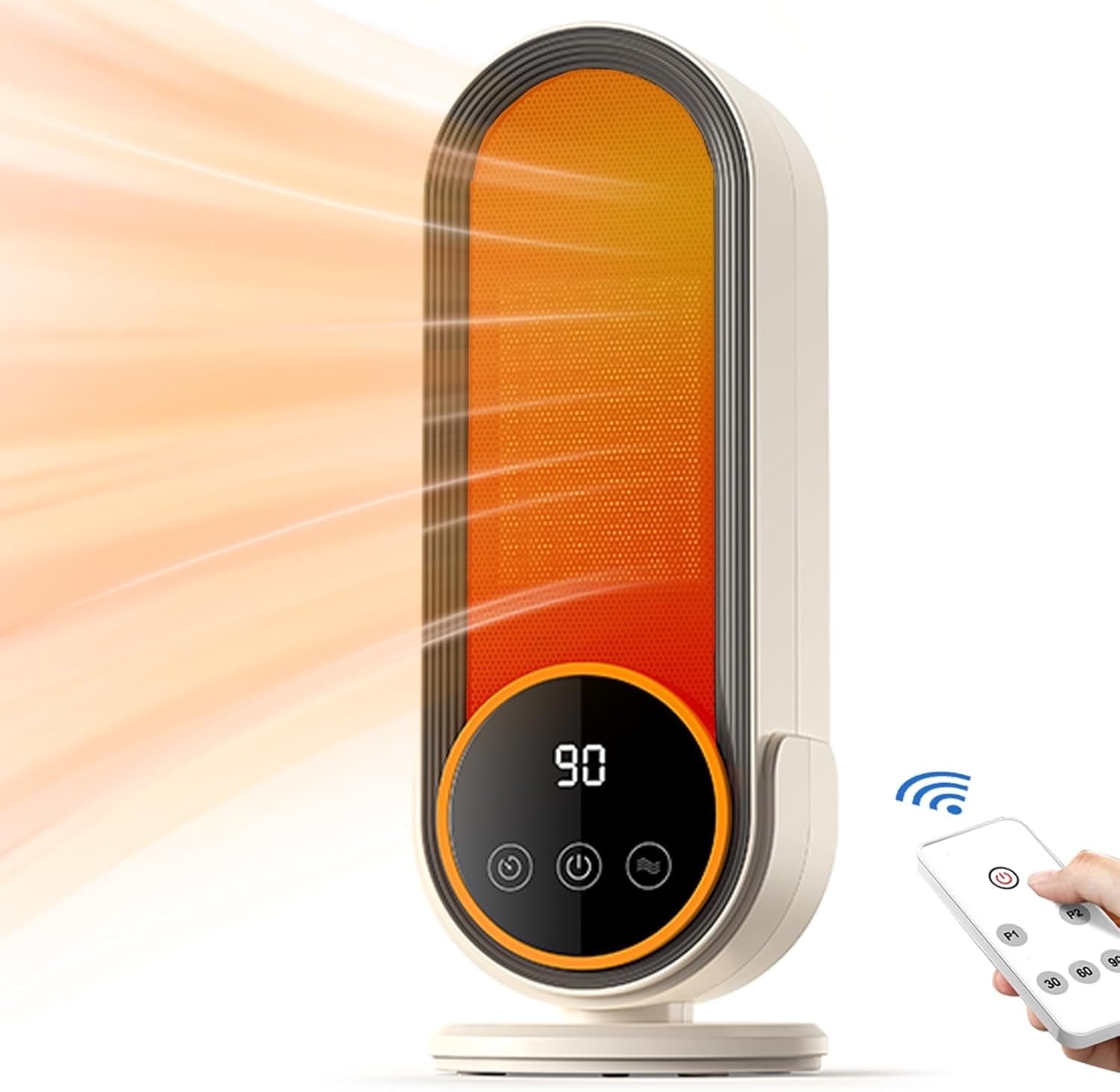
Turning off heaters when not needed saves energy. Using timers or smart controls can improve efficiency. Proper use is as important as the heater itself.
Credit: www.walmart.com
Comparing Energy Costs
Understanding how much energy space heaters consume is key to managing your heating bills effectively. Comparing the energy costs involves looking closely at how much electricity or gas these devices use and translating that into real money spent during operation. This way, you can decide which type fits your budget and heating needs best.
Electricity Consumption
Electric space heaters typically use between 750 to 1500 watts per hour. This means if you run a 1500-watt heater for one hour, it consumes 1.5 kilowatt-hours (kWh) of electricity. Knowing your local electricity rate helps you calculate the exact cost, which is often easy to find on your utility bill.
Electric heaters are efficient at converting electricity to heat, but running them for long periods can add up quickly. Have you checked how many watts your current heater uses? Understanding this number can help you spot savings opportunities right away.
Gas Usage
Gas-powered space heaters, such as propane or natural gas models, use fuel measured in BTUs (British Thermal Units). A typical gas space heater might use anywhere from 10,000 to 40,000 BTUs per hour. You’ll need to know the cost per unit of gas in your area to figure out the running costs.
Gas heaters often have lower operational costs than electric ones, especially in regions where gas is cheaper. But consider installation and ventilation needs too—these affect your overall expenses beyond just fuel costs.
Cost Per Hour Of Operation
| Heater Type | Energy Used per Hour | Average Energy Cost | Estimated Cost per Hour |
|---|---|---|---|
| Electric (1500W) | 1.5 kWh | $0.12 per kWh | $0.18 |
| Gas (30,000 BTU) | 0.3 therms | $1.00 per therm | $0.30 |
Looking at these numbers, electric heaters tend to be cheaper per hour in many places, but gas heaters can warm larger spaces more affordably over time. How much do you currently spend on heating per hour? Comparing your actual bills to these estimates can reveal surprising savings.
Benefits Of Using Space Heaters
Using space heaters can bring several benefits that make them a practical choice for many homes. They offer convenience and control over your personal comfort without the need to heat an entire house. Understanding these benefits can help you decide if a space heater fits your heating needs.
Portability And Flexibility
Space heaters are lightweight and easy to move from room to room. This means you can take warmth exactly where you need it, whether you’re working in your home office or relaxing in the living room.
Imagine curling up with a book in your favorite chair and having a warm space heater right beside you. This flexibility means you don’t have to waste energy heating empty rooms.
Targeted Heating
Space heaters provide focused warmth, letting you heat only the space you occupy. This targeted heating can reduce your overall energy consumption because you’re not turning up the central heating for the whole house.
Have you ever felt cold in one corner of the room while the rest feels fine? A space heater solves this by delivering heat where you need it most, improving comfort instantly.
Supplemental Heat Source
Using a space heater alongside your main heating system can cut down heating costs. It’s an efficient way to boost temperature in chilly spots without cranking up your thermostat.
If your home has areas that don’t get warm enough, a space heater can fill that gap. This supplemental heat keeps you cozy without wasting energy on heating the entire house.
Tips For Maximizing Efficiency
Maximizing the energy efficiency of your space heater can save you money and reduce your environmental impact. Small adjustments in how you use and maintain your heater make a big difference. Are you curious about practical ways to get the most heat for the least energy?
Optimal Placement
Position your space heater near the area where you spend the most time. Avoid placing it behind furniture or curtains that block the heat flow. A clear space around the heater lets warm air circulate freely, heating your room faster and using less energy.
Think about the room’s layout: placing the heater near a doorway or window can cause heat to escape. Instead, try a central spot or a location where cold drafts are strongest. Have you noticed how heat feels uneven in some rooms? Moving your heater might be the simple fix.
Regular Maintenance
Keep your space heater clean and in good condition to ensure it runs efficiently. Dust and debris can block vents and reduce airflow, making the heater work harder. I once ignored this and noticed higher electricity bills until I cleaned the unit thoroughly.
Check the manufacturer’s instructions for how to clean or replace filters. Inspect the heater for any damage or loose parts regularly. A well-maintained heater not only saves energy but also lasts longer.
Smart Usage Practices
Use a thermostat or timer to control when your space heater runs. Heating an empty room wastes energy. Setting the heater to turn off when you leave or sleep helps cut unnecessary power use.
Wear warmer clothing indoors to rely less on constant heating. Layering up reduces the need to crank the heater up high. Could adjusting your habits be the key to lowering your energy bills without sacrificing comfort?
Environmental Considerations
Space heaters provide warmth but affect the environment in several ways. Understanding their impact helps make better choices. Energy use, emissions, and material sustainability play key roles in their environmental footprint.
Carbon Footprint
Space heaters use electricity or fuel to generate heat. This process releases carbon dioxide, a greenhouse gas. The amount depends on the energy source. Electric heaters powered by coal-heavy grids produce more emissions. Those using renewable energy create less carbon footprint.
Efficiency also matters. High-efficiency models use less energy to heat the same space. Lower energy use means fewer emissions. Choosing efficient heaters can reduce your home’s carbon footprint significantly.
Sustainable Options
Some space heaters are designed with eco-friendly materials. These use recyclable parts and avoid harmful chemicals. Sustainable heaters often focus on energy-saving features like timers and thermostats. They prevent unnecessary energy waste.
Solar-powered heaters and those compatible with green energy sources offer sustainable heating. Using these options supports a cleaner environment. Simple habits like heating only occupied rooms add to sustainability.
Common Myths About Space Heaters
Space heaters often get a bad rap, but a lot of that comes from misunderstandings. Myths about their safety and efficiency can stop you from making the right choice for your home. Let’s clear up these common misconceptions so you can decide with confidence.
Misconceptions About Safety
Many people worry that space heaters are a fire hazard. While it’s true that improper use can be dangerous, modern space heaters come with safety features like automatic shut-off and tip-over protection.
Have you ever heard someone say you should never leave a space heater unattended? That’s good advice, but it’s no different from other electrical appliances. Using your heater responsibly, such as keeping it away from curtains and furniture, greatly reduces any risk.
Think about the last time you used a toaster or hairdryer. You probably didn’t fear for your safety then, right? The same common-sense precautions apply to space heaters.
Efficiency Myths
A common belief is that space heaters waste more energy than central heating. But if you only need to warm one room, using a space heater can actually save money by avoiding the cost of heating the entire house.
People often assume all space heaters are the same. They aren’t. Some models have thermostats and timers that help control energy use, making them much more efficient than older or basic models.
Have you ever tried heating a small room with your central heating system? It can be slow and expensive. A well-chosen space heater can warm up your space faster and with less energy.
Frequently Asked Questions
Are Space Heaters Energy Efficient For Small Rooms?
Space heaters are energy efficient in small rooms as they directly warm the space. They use less energy than central heating for limited areas, reducing overall energy consumption and costs.
How Much Electricity Do Space Heaters Consume?
Space heaters typically consume between 750 to 1500 watts. Usage duration and heater type affect consumption, so managing time and settings improves energy efficiency.
Can Space Heaters Reduce Overall Heating Bills?
Yes, by heating only occupied spaces, space heaters can lower overall heating bills. This targeted heating avoids wasting energy on unoccupied rooms.
What Types Of Space Heaters Save The Most Energy?
Infrared and ceramic space heaters save the most energy. They provide quick, focused heat and maintain warmth efficiently, reducing electricity use.
Conclusion
Space heaters can save energy when used correctly. They warm small spaces quickly and reduce the need to heat the whole house. Choosing an energy-efficient model matters. Always turn off the heater when leaving the room. Using a thermostat helps control energy use.
Keep windows and doors closed to keep heat in. Space heaters work best as a part of your heating plan. They offer comfort without high energy bills. Simple habits make a big difference in saving energy.