Have you ever wondered if your front door could be smarter and safer at the same time? Choosing between a smart lock and a traditional key lock isn’t just about convenience—it’s about protecting what matters most to you.
Imagine a lock that lets you control who enters your home, even when you’re not there. But is that really safer than the classic key lock you’ve trusted for years? Keep reading to discover the surprising truth about smart locks and how they could change your home security for the better.
Your safety might depend on what you learn next.
Smart Locks: An Overview
Smart locks offer a modern way to secure homes and offices. They use technology to control access without traditional keys. These locks connect to smartphones or other devices, making entry easier and often safer. Understanding how smart locks work helps compare them to key locks.
Types Of Smart Locks
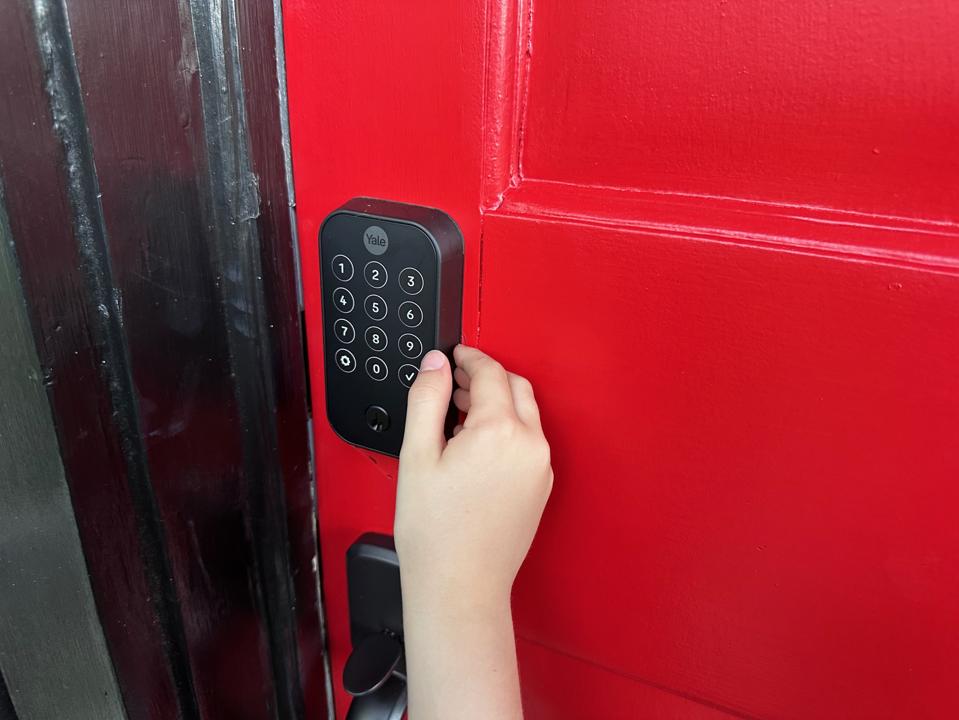
- Keypad Locks:Users enter a code to unlock the door.
- Bluetooth Locks:Unlock automatically when a paired device is nearby.
- Wi-Fi Locks:Controlled remotely through the internet, allowing access from anywhere.
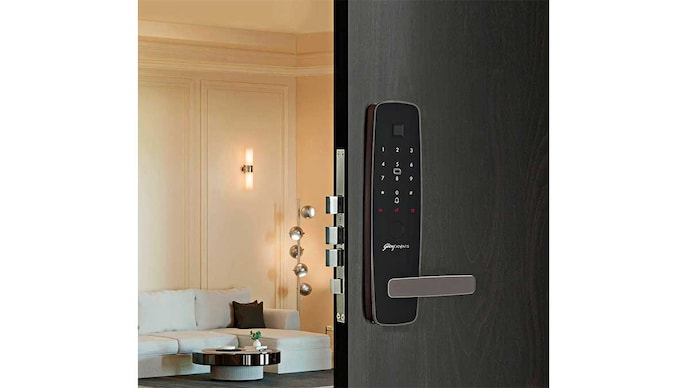
- Fingerprint Locks:Use biometric data to grant entry.
- Combination Locks:Combine traditional keys with electronic access methods.
How Smart Locks Work
Smart locks use digital signals to open and close. They connect to a smartphone app or a home system. Users send commands through the app to lock or unlock the door.
Many smart locks include sensors to detect door status. They send alerts if a door is left open or tampered with. Some models log entry times and user activity for security tracking.

Credit: www.pcworld.com
Key Locks: Traditional Security
Key locks have been the backbone of home and business security for centuries. Their simplicity and reliability have made them a common choice for protecting properties. But what makes these traditional locks tick, and how do they really keep your space safe?
Types Of Key Locks
There are several types of key locks, each designed to meet different security needs. The most common include:
- Pin Tumbler Locks:These use a series of pins of varying lengths that must be aligned to allow the lock to turn.
- Wafer Locks:Similar to pin tumblers but use flat wafers instead of pins.
- Disc Detainer Locks:These have rotating discs that must be correctly aligned by the key.
- Lever Locks:Often found in older buildings, they use a set of levers lifted to a specific height by the key.
Each type offers different levels of complexity and resistance to picking or bumping.
Mechanics Of Key Locks
The core idea behind key locks is straightforward: a key physically moves internal components to unlock the mechanism. When you insert your key, it aligns pins or levers inside the lock, allowing the cylinder to turn. This action releases the locking bolt, opening the door.
Despite their simplicity, the mechanical nature means locks can wear down or be manipulated over time. Have you ever noticed how a worn key sometimes struggles to turn? That’s a sign of internal parts aging or dirt buildup.
While key locks don’t rely on power or software, which makes them immune to hacking, their physical vulnerabilities like lock picking or key duplication remain challenges you should consider for your home’s security.
Comparing Security Features
When weighing the security of smart locks against traditional key locks, the details in their security features make all the difference. Understanding how each lock handles access control, resists tampering, and manages emergency situations can help you decide which fits your needs best. Let’s break down these critical aspects to see where each type shines or falls short.
Access Control
Smart locks give you precise control over who can enter your home. You can grant or revoke access remotely, set temporary codes for visitors, or even track who comes and goes with activity logs. This level of control is something a traditional key lock simply can’t offer.
On the other hand, key locks rely on physical keys, which can be lost, copied, or stolen without your knowledge. Have you ever wondered how many copies of your house key might be floating around? Smart locks reduce this risk by eliminating physical keys altogether.
Tamper Resistance
Traditional key locks have been around for centuries, and their mechanisms are well understood by burglars. Picking or bumping a lock is a common method used to bypass them. However, some high-quality key locks have advanced features to resist such attacks.
Smart locks add an extra layer of security with built-in alarms, automatic lockouts after multiple failed attempts, and alerts sent directly to your phone. This real-time response can deter intruders more effectively than a silent mechanical lock. Still, smart locks depend on power and software, which introduces potential vulnerabilities like hacking or battery failure.
Emergency Access
Imagine a power outage or a dead battery—how do you get inside? Traditional key locks don’t have this problem; you just use your key. This reliability can be a lifesaver in emergencies.
Smart locks often include backup options such as physical keys, keypad codes, or even emergency power ports. However, these backups vary widely among models, and some may require extra preparation on your part. Would you feel confident having only a digital lock as your sole entry point?
Technological Vulnerabilities
Smart locks bring modern convenience, but they also introduce new risks tied to technology. These risks can affect how secure your home really is. Understanding these vulnerabilities helps you make smarter choices about your home security.
Hacking Risks
Smart locks rely on software, which can be targeted by hackers. If a hacker finds a weak spot, they might unlock your door remotely without leaving a trace.
Even strong passwords or encrypted signals aren’t always foolproof. Some hackers use methods like Bluetooth jamming or exploiting outdated software to gain access.
Have you checked how often your smart lock’s firmware updates? Regular updates close security gaps and keep hackers at bay.
Battery And Connectivity Issues
Unlike traditional locks, smart locks need power to function. A dead battery can leave you locked out or make the lock less secure if it defaults to an unlocked state.
Connectivity problems can also cause delays or failures in locking. Imagine arriving home and your lock won’t respond because of Wi-Fi issues.
It’s worth asking: does your smart lock have a backup key or alternative power source? This can save you from a frustrating situation.
Durability And Reliability
Durability and reliability are key factors when choosing between smart locks and traditional key locks. You want a lock that stands strong over time and works flawlessly whenever you need it. Let’s look closer at how these locks hold up in tough conditions and over years of use.
Weather Resistance
Traditional key locks usually have metal parts that can rust or freeze in extreme weather. If you live somewhere with heavy rain or snow, this can cause your lock to jam or break.
Smart locks often come with weatherproof ratings, meaning they are designed to handle moisture and temperature changes better. Some models use sealed electronics and corrosion-resistant materials to keep working no matter the weather.
Think about your own door: has it ever stuck after a heavy rain or freezing night? If yes, a weather-resistant smart lock might save you from that frustration.
Long-term Performance
Key locks are simple machines, so they can last decades if kept clean and lubricated. But they can wear down over time, especially if keys bend or the internal pins get dirty.
Smart locks rely on batteries and software, which means you need to replace batteries and update firmware to keep them reliable. On the bright side, many smart locks notify you before batteries run out, helping you avoid lockouts.
From personal experience, a smart lock that alerts me when the battery is low has prevented several stressful moments. Would you prefer a lock that warns you ahead or one that surprises you with a stuck key?
Credit: www.forbes.com
Cost And Installation
Understanding the cost and installation process helps in choosing the right lock for your home. Both smart locks and key locks vary in price and setup needs. This section breaks down the key points to consider.
Price Comparison
Traditional key locks usually cost less than smart locks. Basic key locks can be found for under $20. Mid-range models may cost around $50 to $100. Smart locks typically start at $100 and can go beyond $300.
Extra features like fingerprint access or Wi-Fi control raise the price. Batteries or power supplies add to the overall cost of smart locks. Traditional locks rarely have ongoing costs.
Ease Of Installation
Key locks are simple to install. Most require just a screwdriver and a few minutes. You can often install them yourself without special skills.
Smart locks may need more time and effort. Some models require wiring or compatible door setups. Many smart locks come with detailed instructions for DIY installation.
Professional help might be needed for advanced smart locks. This can increase the total cost but ensures proper setup. Check the lock’s installation guide before buying.
User Experience
Your experience with a lock can shape how safe you feel at home. User experience goes beyond just security features—it’s about how easy and stress-free your daily interactions with the lock are. Whether it’s a smart lock or a traditional key lock, the way you engage with it can make a big difference in your peace of mind.
Convenience And Accessibility
Smart locks offer a level of convenience that many key locks simply can’t match. Imagine walking up to your door with your hands full of groceries and unlocking it with just a tap on your phone or a voice command. No more fumbling for keys or worrying about losing them.
Accessibility also improves with smart locks. You can grant temporary access to guests, service workers, or family members remotely. This feature is especially handy if you’re away or have an unpredictable schedule.
However, this convenience extends to various devices. Some smart locks work with fingerprint sensors or keypads, giving you multiple ways to enter. It’s about fitting the lock to your lifestyle, not the other way around.
Potential Challenges
Despite their benefits, smart locks come with challenges you should consider. Battery life is a common concern—what happens if the battery dies and you’re locked out? Many models offer backup keys or external power sources, but it’s something you need to plan for.
Connectivity issues can also affect your experience. If your smart lock relies on Wi-Fi or Bluetooth, a poor connection might delay or block access. This can be frustrating, especially if you need quick entry.
Additionally, the setup and maintenance of smart locks can be more complex than traditional locks. If you’re not comfortable with technology, this might lead to mistakes that compromise security or usability.
Have you thought about how often you’d actually use the remote access feature? Sometimes, the technology might be more than you really need, adding layers of complexity without much added value.
Credit: www.indiatoday.in
Public Perception And Adoption
How people see smart locks compared to traditional key locks plays a big role in whether these new devices catch on. Public perception is shaped by trust, ease of use, and how secure people feel using technology for something as important as home security. Understanding how adoption grows helps you decide if switching to a smart lock is right for you.
Market Trends
The smart lock market has been growing steadily over the past few years. More brands are offering affordable options, which makes smart locks accessible to a wider audience.
You might notice smart locks popping up in apartments, offices, and even vacation rentals. This trend shows a shift towards digital security solutions in everyday life.
However, adoption varies by region and age group. Younger consumers tend to embrace smart locks faster, while some older users stick to traditional keys due to comfort and habit.
Consumer Preferences
Many people like the convenience of smart locks. Features like remote access, temporary codes for guests, and integration with home assistants appeal to busy lifestyles.
Still, some users worry about hacking risks or battery failures. These concerns can slow adoption if manufacturers don’t clearly address them.
Have you ever hesitated to use a new technology because it felt complicated or insecure? Sharing your experience can help others feel more confident about smart locks.
Ultimately, your choice depends on what matters most to you—whether it’s convenience, control, or peace of mind.
Frequently Asked Questions
Are Smart Locks More Secure Than Traditional Key Locks?
Smart locks offer advanced security features like encryption and remote access. However, traditional locks rely on physical strength. Both have vulnerabilities, but smart locks provide better control and monitoring, making them generally safer when properly installed.
Can Smart Locks Be Hacked Easily?
Smart locks can be hacked, but strong encryption reduces this risk. Regular software updates and secure Wi-Fi protect against hacking attempts. Choosing reputable brands enhances security and minimizes vulnerabilities.
Do Smart Locks Work During Power Outages?
Most smart locks have battery backup systems to function during power outages. Some models also offer mechanical key options for emergency access. This ensures continuous security without relying solely on electricity.
Are Smart Locks More Convenient Than Key Locks?
Yes, smart locks offer keyless entry and remote control via smartphones. They enable temporary access for guests and track who enters. This convenience adds a significant advantage over traditional key locks.
Conclusion
Smart locks offer convenience and modern features for many users. Key locks remain simple and reliable for basic security needs. Each type has strengths and weaknesses to consider carefully. Think about your home, lifestyle, and budget before choosing. Safety depends on proper use and good habits too.
Both locks can protect well when used right. Choose what fits your comfort and peace of mind best. Security is a personal choice, not one-size-fits-all.