Have you ever wondered if being color blind could actually mean your brain works differently—and maybe even smarter? It’s a question that catches your curiosity because it challenges what you think you know.
What if your ability to see colors isn’t the only way your mind shines? You’ll discover surprising facts about color blindness and intelligence that might just change how you see the world—and yourself. Keep reading to find out why color blind people might have an edge you never expected.

Credit: www.reddit.com
Color Blindness And Perception
Color blindness changes the way people see the world. It affects how the brain processes colors. This difference in perception can influence how people understand their surroundings. Understanding color blindness helps us explore its impact on vision and cognition.
How Color Blindness Affects Vision
Color blindness reduces the ability to distinguish certain colors. Most people confuse reds and greens or blues and yellows. This happens because the eye’s color receptors do not work properly. The world may look dull or washed out. Some colors may seem identical or blend together. This affects daily tasks like reading maps or choosing clothes.
Types Of Color Blindness
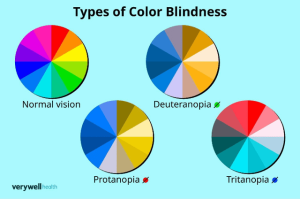
There are several types of color blindness. Each type affects vision differently:
- Red-Green Color Blindness:The most common type. It includes protanopia and deuteranopia.
- Blue-Yellow Color Blindness:Less common. It includes tritanopia.
- Total Color Blindness:Very rare. People see only shades of gray.
Each type changes how colors appear and how the brain interprets them. This unique perception shapes how people experience the world around them.
Cognitive Abilities In Color Blind Individuals
Cognitive abilities in color blind individuals differ in interesting ways from those with normal color vision. Research shows some unique strengths in how their brains process visual information. These differences may influence memory, learning, and problem-solving skills. Understanding these traits helps clarify myths about intelligence and color blindness.
Visual Processing Strengths
Color blind people often rely on brightness and shapes more than color cues. This shifts their focus to patterns and contrast, which may enhance their visual perception. They can detect textures and details others might miss. This skill can improve tasks like reading maps or identifying objects in low light.
The brain adapts by strengthening other visual pathways. This adaptation can make color blind individuals better at spotting edges and movements. Their eyes and brain work together to gather information differently but effectively.
Memory And Learning Patterns
Color blind individuals may use alternative strategies for memory and learning. Without color as a memory aid, they often depend on spatial and verbal cues. This can lead to strong skills in organizing and recalling information logically.
Studies suggest they might excel in subjects requiring logical thinking and problem solving. Their brains may develop unique connections that support analytical tasks. These learning patterns show how the brain compensates for color perception differences.
Scientific Studies On Color Blindness And Intelligence
Scientific studies have explored whether color blindness links to higher intelligence. Researchers have used various approaches to understand if there’s a connection between how people perceive color and their cognitive abilities. These studies look beyond myths and aim to provide clear evidence.
Research Methodologies
Scientists often compare groups of color blind individuals with those who have typical color vision. They use IQ tests, problem-solving tasks, and memory challenges to measure intelligence. Some studies also observe brain activity to identify any differences in how color blind brains process information.
Many experiments control for age, education, and background to ensure fair comparisons. Surveys and interviews sometimes add context about daily experiences and learning styles. This mix of methods helps create a well-rounded view of the relationship between color blindness and intelligence.
Key Findings
Most research finds no consistent evidence that color blind people are smarter than others. Intelligence is complex and influenced by many factors beyond color perception. However, some studies suggest that color blind individuals may excel in tasks requiring visual detail or pattern recognition.
For instance, certain color blind people perform better in environments where color differences cause distractions for others. This advantage can make you wonder—could your own unique traits give you unexpected strengths? Understanding these nuances helps you see intelligence as a broad spectrum, not a fixed label.

Credit: www.reddit.com
Color Blindness And Problem Solving
Color blindness affects how people see colors but not how they think. People with color blindness often develop unique ways to solve problems. Their brains adapt to challenges in different ways. This adaptation can influence their problem-solving skills in interesting ways.
Analytical Skills
Color blind individuals often rely on details other than color. They focus more on shapes, patterns, and textures. This skill helps them analyze situations deeply. They break down problems into smaller parts. This approach improves their logical thinking and decision-making. It allows them to spot clues others might miss.
Creative Thinking
Limited color perception pushes color blind people to think outside the box. They find new solutions using alternative methods. Their creativity shines in tasks needing imagination. They often use unique perspectives to approach problems. This ability helps them invent and innovate. Creative thinking is a strong tool in many fields.
Cultural And Social Factors
Cultural and social factors shape how people view color blindness. These views influence the experiences of those with this condition. Society’s attitudes can affect confidence and opportunities for color blind individuals. Understanding these factors helps us see beyond myths about intelligence and ability.
Perception In Society
Many people do not understand what color blindness truly means. Some believe it is a severe disability. Others think color blind people have special talents or intelligence. These ideas come from myths and stereotypes. Society often overlooks the challenges color blind people face daily.
Social acceptance varies widely across cultures. In some places, color blindness is seen as a minor issue. In others, it causes stigma or exclusion. This impacts how openly people share their experiences. Awareness campaigns help change false beliefs and promote inclusion.
Impact On Education
Schools often lack resources for color blind students. Teaching materials rely heavily on color-coded information. This creates barriers to learning for those affected. Teachers may not recognize these challenges or provide necessary support.
Color blind students might struggle with subjects like science and art. This can affect their confidence and academic performance. Some schools adopt tools like special glasses or apps to assist students. Early support improves learning outcomes and social inclusion.
Myths And Misconceptions
Many people hold strong opinions about color blindness and intelligence. These opinions often come from misunderstandings or outdated ideas rather than facts. Sorting through myths and misconceptions helps you see the real picture clearly.
Common Beliefs
Some believe color blind people have heightened intelligence or special brain powers. This idea probably comes from noticing that some color blind individuals excel in fields like art or science. Others think color blindness might give an advantage in spotting details others miss.
There’s also a belief that color blindness is linked to creativity or problem-solving skills. People often assume that because color blind people see the world differently, their brains must work differently too. But how true are these assumptions?
Debunking Misunderstandings
Color blindness affects how you perceive colors, not how smart you are. Intelligence is a complex trait influenced by many factors, such as education, environment, and genetics, not color vision. Being color blind doesn’t automatically make someone smarter or less intelligent.
Studies show no direct link between color blindness and higher IQ. Some individuals with color blindness may develop unique ways to adapt, but that’s about skill, not innate intelligence. Have you ever noticed how people adjust to challenges? That’s a sign of resilience, not a special intelligence boost.
Instead of focusing on myths, consider how understanding color blindness can improve communication and design choices. When you learn the facts, you can avoid assumptions and treat everyone with the respect they deserve.
Future Research Directions
Future research on color blindness and intelligence can offer new insights. Scientists need to explore deeper links between vision and brain function. Understanding these connections could change how we view cognitive abilities in people with color blindness.
Research can focus on different aspects of color perception and mental skills. Studies might look at how color blindness affects learning, memory, and problem-solving. This knowledge can lead to better support and tools for those with color vision differences.
Potential Areas Of Study
- Examining brain activity patterns in color blind individuals during cognitive tasks
- Studying how color blindness influences attention and visual processing
- Comparing problem-solving skills between color blind and non-color blind groups
- Investigating genetic factors linking color blindness and intelligence traits
- Exploring effects of color blindness on educational performance and adaptation
Implications For Cognitive Science
Findings could reshape theories about brain plasticity and sensory compensation. Cognitive science might gain new understanding of how the brain adapts to sensory limits. This could impact approaches in education and technology design for diverse learners.
Research might reveal unique cognitive strengths in color blind individuals. Insights could help develop personalized learning methods and tools. This benefits not only those with color blindness but all people with different sensory experiences.

Credit: www.reddit.com
Frequently Asked Questions
Are Color Blind People Smarter Than Others?
No scientific evidence proves color blind people are smarter. Intelligence varies individually and isn’t linked to color blindness. Color blindness affects vision but doesn’t impact cognitive abilities or IQ levels.
Does Color Blindness Affect Brain Function?
Color blindness mainly affects color perception, not overall brain function. The brain processes visual information differently, but intelligence remains unaffected by color vision deficiency.
Can Color Blindness Enhance Other Senses?
Some studies suggest color blind individuals may develop stronger non-visual senses. However, this varies and doesn’t directly relate to higher intelligence or cognitive skills.
Is Color Blindness Genetic And Inherited?
Yes, color blindness is usually genetic and inherited. It mostly affects males and results from gene mutations related to color vision on the X chromosome.
Conclusion
Color blindness does not mean higher intelligence. People with color blindness have unique ways of seeing the world. Intelligence depends on many factors, not just vision. Everyone has different strengths and talents. Understanding and accepting differences helps us learn from each other.
Curiosity about such topics shows a desire to know more. Keep exploring and asking questions. Knowledge grows with every new fact.