Are your ceramic tiles looking tired or outdated? You might be wondering, “Can I paint ceramic tile?” The answer could transform your space without the hassle or cost of a full renovation.
Imagine giving your floors or walls a fresh, new look with just a few simple steps. You’ll discover exactly how to do it right, what materials you need, and the secrets to making your paint job last. Keep reading to unlock the easy way to refresh your tiles and make your home feel brand new.
Why Paint Ceramic Tile
Painting ceramic tile offers a fresh way to change the look of your space. It saves time and money compared to full renovations. Tiles can look old or dull, and painting gives them new life. This option fits many rooms like kitchens, bathrooms, and floors. Painting also allows for creative designs and colors that tile alone cannot provide.
Benefits Of Painting Tiles
- Cost-effective compared to replacing tiles
- Quick to complete, often in a day or two
- Wide range of colors and finishes available
- Refreshes old or outdated tile surfaces
- Easy to customize with patterns or stencils
- Less waste and mess than tile removal
- Protects tiles from stains and wear
When To Choose Painting Over Replacement
Choose painting when tiles are structurally sound but look worn. Avoid painting if tiles are cracked or loose. Painting works well on large areas to save cost and effort. It suits renters or homeowners on a budget. Painting is ideal when you want a quick style update. Replacement is better for damaged or outdated layouts. Painting extends tile life without major construction work.

Credit: www.cobbbrothersco.com
Types Of Paint For Tiles
Choosing the right paint for your ceramic tiles can make all the difference in achieving a durable and attractive finish. Not all paints are created equal, and selecting the right type depends on the tile’s location, surface texture, and your desired look. Let’s look at some common types of paint that work well on ceramic tiles.
Epoxy Paints
Epoxy paints are incredibly tough and long-lasting, making them a popular choice for high-traffic areas like kitchens and bathrooms. They form a hard, glossy surface that resists moisture, stains, and scratches.
If you want a finish that holds up to daily wear and tear, epoxy might be your best bet. Keep in mind, though, that these paints can be tricky to apply and usually require mixing two components before use.
Acrylic Paints
Acrylic paints offer flexibility and ease of use, especially for DIY projects. They dry quickly and adhere well to ceramic surfaces when paired with the right primer.
While acrylics are less durable than epoxy, they are great for decorative tiles or areas with lighter use. Have you tried layering acrylics with a sealant to boost durability? It’s a simple step that can extend your paint’s lifespan significantly.
Specialty Tile Paints
Specialty tile paints are formulated specifically for ceramic and porcelain surfaces. These paints often contain additives to improve adhesion and durability on slick tiles.
They usually come ready to use and may require minimal preparation, making them ideal if you want a hassle-free option. If you want to avoid peeling or chipping, these paints are worth considering before starting your project.
Preparing Tiles For Painting
Preparing your ceramic tiles properly is the key to a successful paint job that lasts. Skipping or rushing this stage can lead to peeling or uneven finishes. Let’s break down how to get your tiles ready so the paint sticks well and looks great.
Cleaning And Degreasing
Start by giving your tiles a thorough clean. Use a strong cleaner or a mix of vinegar and water to remove dirt, grime, and soap scum. Don’t forget to scrub the grout lines too—grease and residue often hide there.
After cleaning, wipe the surface with rubbing alcohol or a degreaser to make sure all oils are gone. This step is crucial because even tiny amounts of grease can stop paint from adhering properly. Have you ever painted a surface only to see bubbles or peeling? This is often why.
Sanding And Smoothing
Once your tiles are clean and dry, gently sand them using fine-grit sandpaper (around 220 grit). This roughens up the smooth, glossy surface so the paint can grip better. Don’t skip this even if the tiles look clean—smooth tiles are like glass to paint.
After sanding, wipe away the dust with a damp cloth. You want a smooth but slightly rough texture, not a dusty mess. This small effort makes a big difference in paint durability.
Priming For Better Adhesion
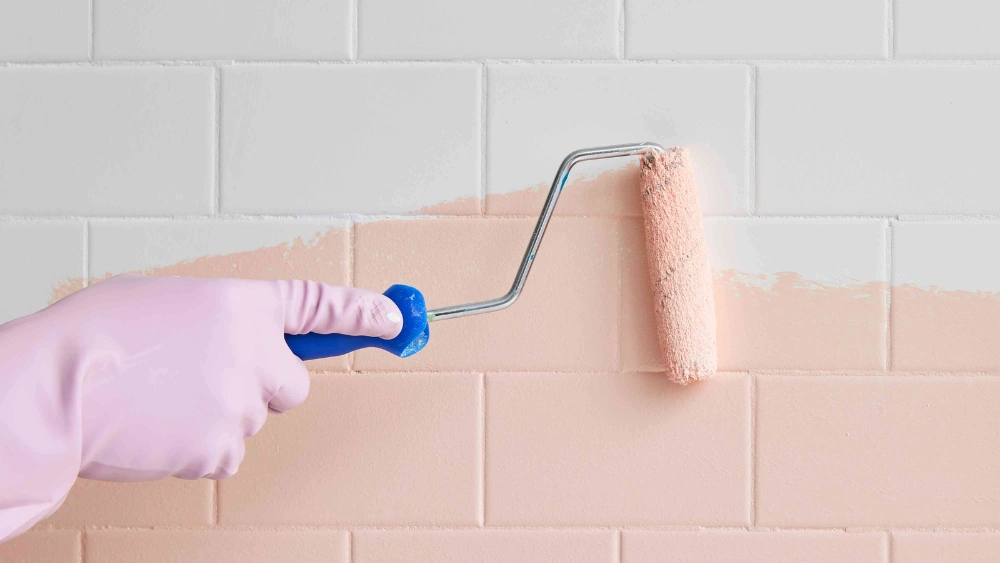
Applying a high-quality primer designed for tiles is a must. Primer creates a bond between the tile and paint, preventing peeling and chipping. Use a brush or roller to cover all surfaces evenly.
Wait for the primer to dry fully before painting. If you skip priming, your paint might look patchy or wear off quickly. Have you noticed paint flaking off tiled areas before? Primer is your best defense against that.

Credit: enthrallinggumption.com
Step-by-step Painting Process
Painting ceramic tile can transform a space without the cost of full replacement. The process requires attention to detail and the right approach to ensure your paint lasts and looks great. Let’s walk through the essential steps to get your tile painted perfectly.
Choosing The Right Tools
Start by selecting high-quality tools designed for smooth, even coverage. A good synthetic brush or a foam roller works well for ceramic tiles because they minimize streaks.
Don’t forget painter’s tape to protect edges and grout lines. Sandpaper with fine grit (around 220) helps roughen the tile surface so paint adheres better. Also, pick a paint specifically made for tiles or surfaces that need to withstand moisture and wear.
Applying The Paint
Clean your tiles thoroughly to remove grease and dirt—this is key for paint adhesion. Use a degreaser or rubbing alcohol and let the tiles dry completely before starting.
Apply a primer designed for glossy surfaces first; this step often gets overlooked but makes a huge difference in durability. Once the primer dries, use thin, even coats of your tile paint. Thick layers can drip or peel.
Think about your painting technique: brushing in one direction can help avoid streaks. Wait between coats until the paint feels dry to touch, then add another layer for full coverage.
Drying And Curing Times
Allow plenty of time for the paint to dry between coats. Usually, 1-2 hours is enough, but check your paint’s instructions. Patience here prevents smudges and uneven textures.
After the final coat, curing can take several days. This means the paint hardens completely and bonds to the tile surface. Avoid heavy use or water exposure during this period to protect your work.
Have you considered how your space’s humidity or temperature might affect drying times? Adjust your schedule accordingly to get the best results.
Sealing Painted Tiles
Painting ceramic tiles can refresh a space without a complete remodel. Sealing painted tiles protects the color and finish. Proper sealing ensures durability and maintains a vibrant appearance over time.
Painting ceramic tiles can transform a space. But, sealing painted tiles is crucial. It protects the paint and enhances longevity. Sealing keeps moisture and dirt at bay. Without it, paint may chip or peel. Proper sealing ensures a durable and lasting finish. Let’s explore how to seal painted tiles effectively.Types Of Sealers
Choosing the right sealer is essential. There are various types available:- Acrylic Sealers: These are popular for their ease of use. They dry quickly and provide a clear finish.
- Epoxy Sealers: Known for their durability. They resist scratches and stains well.
- Polyurethane Sealers: These offer excellent protection. Suitable for high-traffic areas.
Application Techniques
Applying sealers requires precision. Follow these steps for best results:- Clean the Surface: Ensure tiles are clean and dry. Dirt can affect adhesion.
- Apply Even Coats: Use a brush or roller. Ensure even coverage without streaks.
- Allow Drying Time: Let each coat dry completely. This prevents tacky surfaces.
Maintenance Tips
Maintaining sealed tiles is simple. Here are some tips:- Regular Cleaning: Use mild soap and water. Avoid harsh chemicals.
- Check for Damage: Inspect tiles regularly. Repair chips or cracks promptly.
- Re-seal Periodically: Refresh sealant as needed. Keeps tiles looking new.
Common Mistakes To Avoid
Painting ceramic tile can refresh a space quickly and affordably. Avoiding common mistakes ensures your project lasts longer and looks better. Many fail by skipping key steps or using unsuitable materials. Below are frequent errors and tips to prevent them.
Skipping Preparation
Proper preparation is essential for paint to stick well on ceramic tiles. Clean tiles thoroughly to remove grease and dirt. Sand the surface lightly to create a rough texture. Without these steps, paint peels or chips easily. Skipping preparation causes poor results and wasted effort.
Using The Wrong Paint
Not all paints work on ceramic tiles. Choose paints made for glossy, non-porous surfaces. Epoxy or enamel paints provide durability and strong adhesion. Avoid regular wall paint; it will not hold up. Using the wrong paint leads to cracking and peeling quickly.
Ignoring Drying Times
Patience matters for a smooth finish. Allow each coat to dry fully before adding another. Rushing can cause uneven layers or smudges. Follow manufacturer drying times exactly. Ignoring drying times reduces paint durability and spoils appearance.
Creative Tile Makeover Ideas
Transforming ceramic tile can breathe new life into any space. Creative tile makeovers offer a fresh look without costly replacements. Painting tiles opens doors to endless design possibilities. Play with colors, shapes, and textures for a unique style. Choose ideas that suit your taste and room vibe. Explore options that make your tiles stand out beautifully.
Patterns And Stencils
Patterns add character and charm to plain tiles. Use stencils to create precise, repeatable designs. Geometric shapes, florals, or abstract art work well. Stencils make painting easier for beginners. Layer colors to add depth and interest. Experiment with scale—large patterns can be bold. Smaller motifs create subtle elegance. Patterns can cover entire tile surfaces or just borders.
Color Combinations
Mixing colors can change tile mood instantly. Combine contrasting colors for a lively effect. Soft pastels create a calm, gentle look. Monochromatic schemes bring a sleek, modern feel. Try complementary colors like blue and orange. Use color blocking to highlight certain tile areas. Remember, balance is key to avoid overwhelming the space. Choose colors that match your room’s style and lighting.
Mixing Paint With Other Materials
Adding other materials boosts texture and interest. Metallic paints give a shiny, luxurious finish. Chalk paint creates a matte, vintage vibe. Combine paint with tile decals for easy patterns. Use grout paint to refresh tile lines. Epoxy coatings protect your design and add gloss. Experiment with textured paints for a tactile feel. These combinations make tile makeovers stand out creatively.
When To Call A Professional
Deciding whether to paint ceramic tile yourself or call a professional can save you time, money, and frustration. Knowing when to seek expert help is key to achieving a finish that lasts and looks great. Here’s when you should consider hiring a professional for your tile painting project.
Complex Tile Surfaces
Some ceramic tiles have intricate textures, patterns, or uneven surfaces that make painting tricky. If your tiles have raised designs or grout lines that are difficult to cover smoothly, a professional’s skills can ensure even coverage without missing spots.
Have you ever tried painting over textured tile only to end up with a blotchy finish? Professionals use specialized tools and techniques to handle these challenges effortlessly.
Large Scale Projects
When you face painting an entire bathroom or kitchen backsplash, the project can quickly become overwhelming. Time, patience, and precision are essential to avoid streaks and peeling paint over a big area.
Professionals can complete large projects faster and with consistent quality. If you want to avoid days of touch-ups and potential repainting, it might be smarter to invest in expert help.
Ensuring Durability
Paint on ceramic tile needs to withstand moisture, cleaning, and daily wear. Without the right preparation and sealing, your hard work can chip or peel within months.
Experts know which primers, paints, and sealants work best for tile surfaces. They also apply them in a way that maximizes adhesion and durability, saving you from costly repairs later.

Credit: enthrallinggumption.com
Frequently Asked Questions
Can I Paint Ceramic Tile In My Bathroom?
Yes, you can paint ceramic tiles in bathrooms using special tile paint. Proper cleaning and priming are essential for good adhesion. This method refreshes old tiles and offers a budget-friendly renovation option.
What Type Of Paint Works On Ceramic Tiles?
Epoxy or latex-based tile paints work best on ceramic tiles. These paints provide durability and resistance to moisture. Always use a primer designed for tiles before applying the paint.
How Long Does Painted Ceramic Tile Last?
Painted ceramic tile can last 5-10 years with proper care. Avoid harsh cleaning chemicals to preserve the paint. Regular maintenance extends the lifespan of the painted surface.
Do I Need To Seal Painted Ceramic Tiles?
Sealing painted ceramic tiles is recommended to protect the finish. A clear polyurethane sealer adds durability and moisture resistance. This step helps maintain the paint’s appearance over time.
Conclusion
Painting ceramic tile can be a smart way to refresh your space. It saves money and adds new style quickly. Choose the right paint and prepare the surface well. Take your time to apply paint evenly for best results. Keep in mind, painted tiles may need touch-ups over time.
This method works great for walls, backsplashes, or floors with light use. Try it yourself to change the look without replacing tiles. A simple project with a big impact.