Are you looking to brighten up your garage and boost your home’s safety at the same time? Installing outdoor garage lights is one of the easiest and most effective ways to do just that.
Imagine pulling into your driveway with clear visibility every night, or deterring unwanted visitors with well-lit surroundings. In this guide, you’ll discover simple steps to install outdoor garage lights yourself—no need to hire a pro or deal with complicated tools.
Keep reading, and by the end, you’ll have the confidence and know-how to light up your garage like a pro.
Choosing The Right Outdoor Garage Lights
Choosing the right outdoor garage lights makes a big difference. It improves safety and adds style to your space. The right light helps you see clearly at night. It also protects your garage from theft and accidents. Picking the best light means thinking about several key factors.
Consider the type of light, brightness, energy use, and weather resistance. Each factor affects how well your garage is lit and how long the light lasts. This guide will help you understand these features.
Types Of Garage Lights
Garage lights come in many styles. Wall-mounted lights are common and easy to install. Floodlights cover a large area with bright light. Motion sensor lights turn on only when they detect movement. Solar lights use sunlight to charge and save electricity. Choose a type that fits your garage’s size and layout.
Brightness And Coverage
Brightness is measured in lumens. More lumens mean more light. A small garage may need 700-1,000 lumens. Larger spaces may require 2,000 lumens or more. Coverage depends on the light’s angle. Wide-angle lights cover more area but may be less bright. Narrow beams focus light on a small spot. Match brightness and coverage to your garage needs.
Energy Efficiency Options
Energy-efficient lights save money and last longer. LED lights use less power and last for years. Solar lights need no electricity but depend on sunlight. Compact fluorescent lights (CFL) use less energy than old bulbs. Choose energy-saving options to reduce your electric bill and protect the environment.
Weather Resistance Features
Outdoor garage lights must withstand weather. Look for lights with waterproof and rustproof features. Lights with an IP rating show their protection level. IP65 or higher is good for rain and dust. Durable materials like aluminum and stainless steel last longer. Good weather resistance keeps your lights working well year-round.
Gathering Tools And Materials
Before you start installing outdoor garage lights, gathering the right tools and materials is crucial. Having everything ready saves time and prevents frustrating interruptions. It also ensures your installation is safe and effective.
Essential Tools List
- Drill:A cordless drill with various drill bits is a must for making holes and securing screws.
- Screwdriver Set:Both flathead and Phillips screwdrivers help with different types of screws you’ll encounter.
- Wire Strippers:These help you strip the insulation from electrical wires cleanly and safely.
- Voltage Tester:Before handling any wires, a voltage tester confirms there’s no live current.
- Measuring Tape:Accurate measurements keep your lights evenly spaced and properly aligned.
- Level:Ensures your lights are installed straight and look professional.
Safety Gear
Safety should never be an afterthought. You’ll want to protect yourself from electrical hazards and potential falls.
- Safety Glasses:Protect your eyes from debris when drilling or cutting wires.
- Work Gloves:These provide grip and shield your hands from sharp edges or electrical shocks.
- Ladder:A sturdy ladder is essential if your garage lights are mounted high up. Ensure it’s stable and the right height for your work.
- Insulated Tools:Tools with insulated handles reduce the risk of electrical shock.
Additional Supplies
Along with tools and safety gear, some extra supplies make the installation smoother.
- Outdoor-Rated Electrical Boxes:These protect your wiring connections from weather.
- Waterproof Wire Connectors:Keep your electrical connections safe from moisture and corrosion.
- Silicone Sealant:Use this to seal around fixtures and prevent water from entering.
- Electrical Tape:Adds an extra layer of insulation on wire connections.
- Replacement Bulbs:Having the right bulbs on hand means you won’t have to pause to shop midway through.
Have you ever started a project only to realize you’re missing a key tool? Preparing your workspace fully means you can focus on getting your garage lights installed efficiently and safely.
Preparing The Installation Site
Preparing the installation site is a crucial step before mounting your outdoor garage lights. Proper preparation ensures safety, optimal lighting, and a smooth installation process. Taking time to plan and inspect your site will save you headaches later.
Selecting The Best Location
Choose a spot where the light will cover the largest area of your driveway or garage entrance. Consider areas that are dark and need illumination for safety and convenience. Avoid placing lights where they might shine directly into your neighbors’ windows or cause glare while driving.
Think about how high the light will be mounted. Higher placements cover more ground but may require stronger bulbs. Lower spots create focused lighting but might leave shadows.
Checking Electrical Wiring
Before drilling any holes, inspect the existing electrical wiring near your chosen location. Ensure the wiring is up to code and can handle the new light’s power requirements. If you’re unsure, it’s best to consult a licensed electrician to avoid hazards.
Look for any signs of wear or damage in the wiring, such as frayed insulation or exposed wires. Also, verify that the circuit breaker can support the additional load without tripping. Safety must be your top priority.
Marking Mounting Points
Once you’ve picked the location and confirmed wiring safety, mark the exact spots where the lights will be mounted. Use a pencil or masking tape to outline these points clearly. Double-check your measurements to ensure the fixture will be level and centered.
Test the positioning by holding the light fixture against the wall to visualize the final look. This simple step helps prevent misaligned installations that could waste time and effort. Are your marks precise enough for a hassle-free setup?

Credit: www.youtube.com
Step-by-step Installation Process
Installing outdoor garage lights can transform your space, adding both functionality and aesthetic appeal. Whether you’re looking to enhance security or simply illuminate your driveway, following a clear and concise installation process is key. This step-by-step guide will help you navigate through the installation with ease, ensuring your new lights shine brightly and safely.
Turning Off Power
Safety first! Before you start, make sure to turn off the power at the circuit breaker. This prevents any electrical mishaps during installation. Test the existing fixture to ensure the power is truly off. Have you ever had that moment when you’re sure you’ve flipped the right switch, but there’s still power? Double-checking avoids surprises.
Mounting The Light Fixture
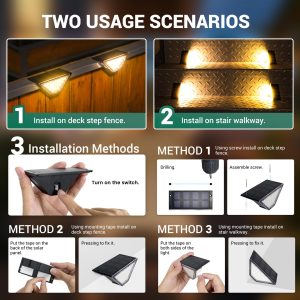
Once the power is off, it’s time to mount the fixture. Hold the light in place to determine the best position. Use a level to make sure it’s straight. Secure the fixture with screws, ensuring it’s firmly attached to the wall. Have you ever tried mounting something only to find it crooked? A level can be your best friend.
Wiring Connections
Now, connect the wires. Match the colors: typically, black to black, white to white, and green or bare wire to ground. Use wire nuts to secure the connections. Are you hesitant about wiring? Remember, the right connections ensure your light works seamlessly.
Securing And Testing
With everything wired, secure the fixture’s cover. Turn the power back on at the circuit breaker. Test the light to ensure it illuminates as expected. Feel the satisfaction of seeing your handiwork light up the night. Have you ever felt the thrill of flipping the switch and seeing your efforts pay off?
Setting Up Motion Sensors And Timers
Setting up motion sensors and timers is key for outdoor garage lights. These features save energy and improve security. Proper setup ensures lights activate only when needed and turn off automatically.
Motion sensors detect movement near your garage. Timers control when lights turn on or off based on the time of day. Combining both gives you full control over your lighting system.
Adjusting Sensor Sensitivity
Sensor sensitivity controls how much motion triggers the light. Too sensitive, and the light turns on too often. Not sensitive enough, and it may not detect movement.
Adjust sensitivity using the sensor dial or buttons on the device. Test by walking near the sensor at different distances. Find a balance where it activates for people but ignores small animals or cars far away.
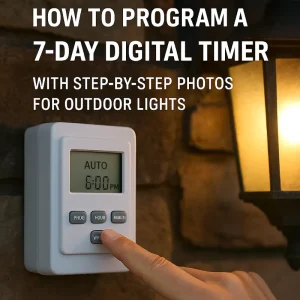
Programming Timers
Timers let you set specific on and off times. Use this to keep lights on during dark hours and off during daylight. Many timers have easy-to-use digital displays or dials.
- Set the current time on the timer.
- Choose the time to turn lights on.
- Choose the time to turn lights off.
- Save your settings and test the schedule.
Some timers allow multiple on/off cycles per day. Use this if you want lights on only at certain hours.
Optimizing For Security
Place sensors to cover all entry points to your garage. Avoid blind spots where motion might not be detected. Position lights to eliminate dark areas.
Set timer schedules to match your usual activities. Lights should be on during night hours and off when you are home and awake. This keeps your garage well-lit and deters intruders.
Combine sensor and timer settings for smart, energy-saving security lighting. Regularly check and adjust settings to maintain effectiveness.

Credit: www.facebook.com
Maintenance Tips For Longevity
Keeping your outdoor garage lights in top shape is essential for safety and aesthetics. Regular maintenance not only extends their life but also ensures consistent performance. A little attention now can save you from costly repairs or replacements later.
Cleaning The Fixtures
Dirt, dust, and spider webs can reduce the brightness of your garage lights. Use a soft cloth or sponge with mild soap and water to gently clean the fixtures. Avoid harsh chemicals that could damage the finish or the protective glass cover.
Cleaning the fixtures every few months can prevent buildup that blocks light or causes overheating. Have you noticed how a clean light instantly brightens your garage space?
Inspecting Wiring Regularly
Wiring issues are a common cause of outdoor light failure. Check wires for signs of wear, cracks, or corrosion at least twice a year. Look for loose connections or exposed wires that could pose safety hazards.
If you spot any damage, turn off the power immediately before attempting repairs. Have you felt confident enough to inspect your electrical wiring, or is it time to call a professional?
Replacing Bulbs And Parts
Outdoor lights face harsh weather, making bulbs and parts prone to wear out faster. Keep spare bulbs on hand and replace them as soon as you notice dimming or flickering. Also, check seals and gaskets to keep moisture out.
Using energy-efficient bulbs like LEDs can reduce the frequency of replacements and save energy. What type of bulb do you currently use, and have you considered upgrading for longer life?
Troubleshooting Common Issues
Troubleshooting outdoor garage lights helps keep your space safe and bright. Small problems can stop your lights from working properly. Quick fixes often solve these issues without extra cost. Knowing common problems saves time and effort.
Light Not Turning On
Check the power source first. Make sure the circuit breaker is on. Test the light bulb by replacing it with a new one. Inspect wiring connections for loose or damaged wires. Clean the light fixture to remove dirt or bugs. Confirm the switch controlling the light works correctly.
Flickering Lights
Loose wiring often causes flickering. Tighten any loose wire connections inside the fixture. Replace old or faulty bulbs with new ones. Verify the voltage matches the light’s requirements. Avoid using incompatible dimmer switches. Check for moisture or corrosion in the fixture.
Sensor Malfunctions
Clean the sensor lens to remove dirt and debris. Adjust sensor settings for sensitivity and range. Ensure no objects block the sensor’s view. Reset the sensor by turning power off and on. Replace the sensor if it fails after troubleshooting. Check wiring connections to the sensor.

Credit: www.youtube.com
Frequently Asked Questions
What Tools Are Needed To Install Outdoor Garage Lights?
You need a drill, screwdriver, wire stripper, voltage tester, and mounting hardware. Safety gloves and goggles are also recommended.
How Do I Choose The Right Outdoor Garage Light?
Consider brightness, energy efficiency, weather resistance, and style. LED lights are popular for durability and low power use.
Can I Install Outdoor Garage Lights Myself Safely?
Yes, if you follow safety guidelines, turn off power, and use proper tools. If unsure, consult a professional electrician.
What Is The Best Location For Outdoor Garage Lights?
Place lights near the garage door and pathways for maximum visibility. Ensure they are high enough to avoid obstruction.
Conclusion
Installing outdoor garage lights can improve safety and curb appeal. Choose the right lights for your space and follow safety steps. Use the right tools and materials for a smooth process. Take your time to ensure each step is done well.
Bright lights help you see better at night and keep your home safe. Now, you are ready to light up your garage with confidence. A well-lit garage makes a big difference.