Setting a timer for your outdoor Christmas lights can save you time, energy, and hassle. Imagine coming home to a beautifully lit house every evening without lifting a finger.
You don’t have to worry about turning lights on or off, and you’ll cut down on your electricity bill too. If you want your holiday decorations to shine on a perfect schedule, this guide is exactly what you need. Keep reading to discover simple steps that will make your Christmas lights work smarter, not harder.

Credit: www.amazon.ca
Choosing The Right Timer
When setting up outdoor Christmas lights, choosing the right timer can make all the difference. It’s not just about convenience; it’s about enhancing your holiday experience without worrying about turning lights on and off manually. A good timer ensures your lights shine bright at the perfect moments, creating that festive ambiance effortlessly. But how do you choose the right one?
Types Of Timers
Timers come in various types, each catering to different needs. Consider a mechanical timer if you prefer simplicity and easy setup. These timers use a dial and pins to set the on and off times.
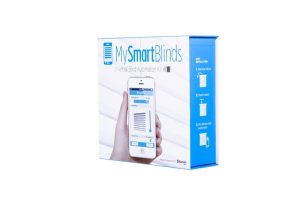
If you want more precision, digital timers are your best bet. They often allow multiple settings throughout the day and can accommodate complex schedules. Additionally, smart timers connect to your home Wi-Fi, enabling control via smartphone apps, offering ultimate flexibility.
Features To Look For
When selecting a timer, consider the features that suit your lifestyle. Look for timers with multiple outlets if you plan to control several light strands simultaneously. This feature is particularly useful if your display is large and varied.
Consider timers with battery backup. They keep your settings intact during power outages, ensuring your lights come on at the right times. Also, check for timers with an easy-to-read display and straightforward programming options to avoid frustration during setup.
Weather Resistance
Outdoor Christmas lights face all kinds of weather challenges, from rain to snow. A weather-resistant timer is crucial for durability and reliability. Check for timers rated for outdoor use to ensure they can withstand the elements.
Consider timers with protective covers or seals to shield against moisture and dust. This feature prolongs the life of the timer and prevents malfunctions. After all, what good is a timer if it can’t brave the winter chill?
So, what kind of timer will you choose to light up your holiday season? Consider your needs, features, and weather conditions to make the best choice. Your perfect Christmas display awaits!

Credit: mygeeni.com
Preparing Your Lights
Preparing your outdoor Christmas lights before setting a timer can save you time and frustration. Taking a few moments to get your lights ready ensures they work properly and last throughout the holiday season. Let’s walk through some essential checks and tests to get your lights in perfect shape.
Check Light Compatibility
Not all lights are created equal, especially when it comes to timers. Some timers only work with incandescent bulbs, while others support LED lights. Double-check the packaging or manufacturer’s instructions to confirm your lights are compatible with your timer.
Also, consider the voltage and wattage limits of your timer. Overloading it can cause failures or even hazards. Have you ever plugged in too many strings and ended up with a blown fuse? Avoid that by matching your lights’ power needs to your timer’s capacity.
Inspect For Damage
Outdoor lights face harsh weather, so inspecting them for damage is crucial. Look closely for frayed wires, cracked bulbs, or loose connections. Any signs of wear can cause shorts or fire risks.
Don’t forget to check the plugs and sockets too. A loose plug can cause flickering or stop the lights from working entirely. If you spot damage, replace the affected sections or the entire string before installation.
Test Lights Before Installation
Testing your lights before hanging them saves you from climbing ladders multiple times. Plug them in and watch for any bulbs that don’t light up or flicker. Replace faulty bulbs or strings to avoid dark spots on your display.
Test in the exact setup you plan to use, if possible. This helps you spot issues caused by extension cords or outdoor outlets. Have you ever thought about how much easier it is to fix problems on the ground rather than on the roof?
Setting Up The Timer
Setting up a timer for your outdoor Christmas lights can save you time and energy, while ensuring your display shines exactly when you want it to. Getting the timer ready involves a few simple steps, and once set, you won’t have to worry about turning the lights on and off every day. Here’s how you can easily set up the timer for a hassle-free holiday glow.
Plugging In Your Lights
Start by connecting your Christmas lights to the timer’s outlet. Make sure the timer is rated for outdoor use to handle weather conditions safely. If you have multiple strands, plug them all into the timer, but be careful not to exceed its power limit.
Check that all connections are secure and dry before plugging the timer into an outdoor power source. Have you ever had your lights flicker or not turn on because of a loose connection? Avoid that by giving every plug a firm push.
Programming The Timer
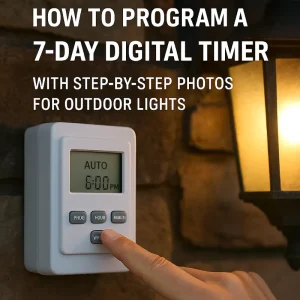
Most outdoor timers have a dial or digital interface to set on and off times. Decide the exact hours you want your lights to operate, such as from dusk until 11 PM. This helps save electricity and keeps your display consistent every evening.
Follow the timer’s instructions carefully. If it’s a manual dial, align the pins or switches to your desired on/off times. For digital timers, use the buttons to input the schedule. Don’t hesitate to test it by advancing the time or waiting to see if the lights respond as planned.
Adjusting For Daylight Savings
Daylight savings can disrupt your timer’s schedule if you don’t adjust it. Twice a year, you’ll need to move the timer’s clock forward or backward by an hour to keep your lights turning on and off at the right times.
Some timers automatically adjust for daylight savings, but many don’t. Check your timer’s manual or settings, and make a note on your calendar to update the timer as needed. Would you want your festive lights to come on too early or too late just because you forgot this simple step?
Installing Outdoor Timers Safely
Installing outdoor timers safely is essential for enjoying your Christmas lights without risks. Timers control when your lights turn on and off, saving energy and effort. Proper installation prevents electrical hazards and protects your equipment from weather damage.
Selecting A Location
Choose a spot near an outdoor power outlet. The area should be dry and easy to access. Avoid places where water can pool or where the timer may get wet. Keep the timer away from direct sunlight to prevent overheating. Make sure the location is safe from pets and children.
Using Weatherproof Covers
Use weatherproof covers to protect timers from rain, snow, and moisture. Covers should fit tightly and allow easy access to buttons or dials. Look for covers made of durable plastic or rubber. These covers help extend the life of your timer and keep it working well during the holidays.
Avoiding Electrical Hazards
- Inspect cords and plugs for damage before use.
- Do not overload the timer with too many lights.
- Keep connections off the ground to avoid water contact.
- Use outdoor-rated extension cords and timers only.
- Unplug timers during storms or heavy rain for safety.
Troubleshooting Common Issues
Troubleshooting common issues with outdoor Christmas light timers helps keep your decorations bright. Problems can stop your lights from working properly. Simple checks often fix these issues quickly. Understanding common problems saves time and frustration. Here are solutions for frequent timer problems.
Timer Not Turning On
Check if the timer is plugged in correctly. Ensure the outlet has power by testing with another device. Look for a reset button on the timer and press it. Replace batteries if your timer uses them. Inspect the timer for visible damage or wear. Sometimes, dirt or moisture can block connections. Clean the timer gently with a dry cloth.
Lights Flickering
Flickering lights usually mean a loose connection. Make sure all plugs are firmly connected. Check the light strands for broken bulbs or wires. Replace any faulty bulbs with ones that match the set. Use outdoor-rated extension cords to prevent power issues. Avoid overloading the timer with too many lights. Spread the load across multiple timers if needed.
Power Outages
Power outages can interrupt your timer’s schedule. Use a timer with a battery backup to save settings. Plug the timer into a circuit protected by a surge protector. Check your home’s circuit breaker for tripped switches. Turn off other high-power devices to reduce overload. Consider using solar-powered lights as a backup option. This keeps your display glowing during outages.
Tips For Energy Efficiency
Saving energy while enjoying your outdoor Christmas lights is easier than you might think. Small changes in how you set your timer and choose your lights can make a big difference in your electricity bill. Here are practical tips to help you enjoy the festive glow without wasting power.
Optimal Timer Settings
Set your timer to turn on the lights only after dusk. This ensures your decorations are visible when it’s dark and avoids wasting energy during daylight hours.
Consider setting the lights to turn off around midnight or when most people are asleep. You don’t need them shining all night if no one is outside to enjoy them.
Have you noticed how much energy your lights consume when left on too long? Timers help you control that without extra effort.
Using Led Lights
Switching to LED lights can cut your energy use by up to 80%. They use less power and last much longer than traditional incandescent bulbs.
LEDs also stay cool to the touch, making them safer for outdoor use. If you haven’t tried them yet, now is the perfect time to see the difference.
Imagine decorating your home with vibrant lights that save energy and reduce your carbon footprint simultaneously. Isn’t that a win-win?
Reducing Operating Hours
Limit your lights to only a few hours each evening instead of all night. This simple change can significantly reduce your energy consumption.
Try turning your lights on during peak visiting hours or when you’re outside enjoying the decorations. You’ll save energy and still create a festive atmosphere.
Have you thought about how much energy is wasted when lights run unattended? Cutting back on hours is one of the easiest ways to control that.

Credit: bigstarlights.ca
Frequently Asked Questions
How Do I Set A Timer For Outdoor Christmas Lights?
To set a timer, plug your lights into a timer device. Program the start and stop times according to your preference. This automates lighting, saving energy and effort.
What Type Of Timer Is Best For Christmas Lights?
Use an outdoor-rated digital timer with customizable settings. It ensures safety against weather and offers precise on/off control for your lights.
Can I Use Smart Timers For Outdoor Christmas Lights?
Yes, smart timers are ideal. They allow remote control, scheduling via apps, and integration with smart home systems for convenience.
How Do I Protect Timers From Weather Outdoors?
Choose weatherproof timers or place them in waterproof covers. Ensure all connections are secure and off the ground to avoid water damage.
Conclusion
Setting a timer for outdoor Christmas lights saves time and energy. It helps your lights turn on and off at the right times. You avoid forgetting to switch them off at night. Timers also make your home look festive without extra effort.
Choose the right timer for your needs. Follow simple steps to set it correctly. Enjoy a bright and safe holiday season with ease. Simple tools can bring big joy to your decorations.