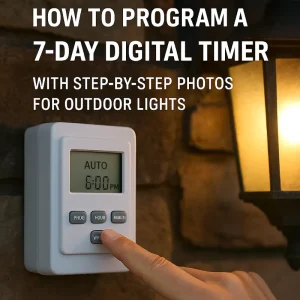
Are you tired of coming home to dark outdoor spaces or worrying if you left your lights on all night? Setting a digital timer for your outdoor lights can solve these problems easily.
Imagine your lights turning on exactly when you need them, saving energy and adding security without you lifting a finger. You’ll learn simple steps to set up your digital timer quickly and confidently. Keep reading, and you’ll never have to guess when your outdoor lights should shine again.

Credit: www.aliontimer.com
Choosing The Right Digital Timer
Choosing the right digital timer for your outdoor lights can make all the difference in convenience and energy efficiency. Imagine coming home to a beautifully lit pathway without having to manually switch on the lights every evening. A well-selected timer ensures your lights are on when needed and off when not, saving you time and reducing energy consumption. But with so many options available, how do you pick the one that fits your needs?
Types Of Timers For Outdoor Use
There are several types of digital timers designed for outdoor use, each offering unique benefits. Plug-in timers are straightforward and ideal for those who prefer simplicity. They usually come with a manual override and are perfect for seasonal decorations.
Wall-mounted timers are more permanent solutions, suitable for controlling multiple circuits. These are excellent if you have various outdoor lighting zones that require different schedules.
Smart timers, integrated with Wi-Fi or Bluetooth, allow you to control your lights remotely via an app. This type is great for tech-savvy users who want flexibility and control from anywhere.
Key Features To Consider
When selecting a digital timer, focus on ease of use. Look for timers with clear displays and intuitive controls. You shouldn’t need a degree in engineering to program your lights!
Consider programmable settings that allow you to set different schedules for weekdays and weekends. This feature is incredibly handy, especially if your lighting needs change throughout the week.
Backup battery is another critical feature. This ensures your settings aren’t lost during power outages, keeping your lights on schedule no matter what.
Weatherproof And Durability Factors
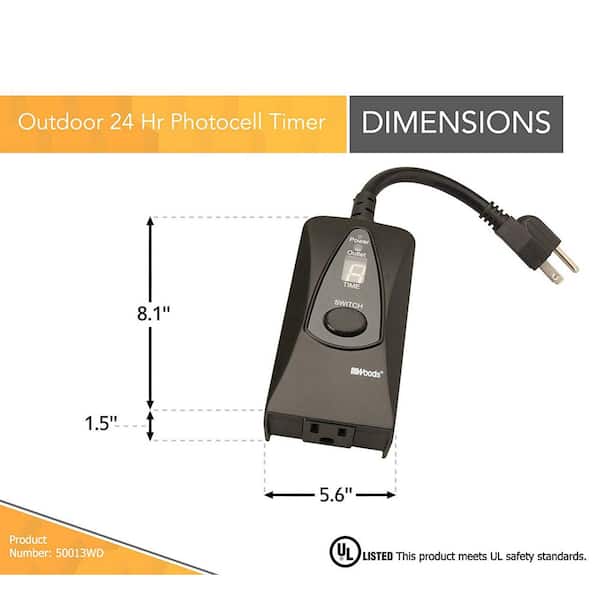
Outdoor timers must withstand the elements. Check for weatherproof ratings like IP65 or IP66, which indicate resistance to dust and water.
Durability is key. Look for timers made from robust materials that can endure both scorching summer heat and freezing winter temperatures.
Think about where you’ll place the timer. A sheltered location can prolong its lifespan, but if exposure is unavoidable, ensure it’s built to handle harsh conditions.
So, which type of timer will you choose for your outdoor lights? The right choice can transform your outdoor spaces, offering safety, ambiance, and efficiency. Take your time to explore the options, and you’ll find the perfect fit for your needs.
Preparing Your Outdoor Lights
Preparing your outdoor lights ensures smooth timer installation and operation. Proper preparation prevents damage and safety hazards. It also guarantees your lights work well with the timer. Follow simple steps to get ready before setting the timer.
Checking Compatibility With Timers
Not all outdoor lights work with every timer. Confirm your lights’ power type—LED, incandescent, or solar. Some timers only support specific bulbs or wattages.
Review the timer’s specifications carefully. Check the voltage and maximum wattage it can handle. Match these with your outdoor lights to avoid overload.
Consider the timer’s outdoor rating. It should be weatherproof or rated for outdoor use. Indoor timers may fail when exposed to rain or moisture.
Safety Precautions Before Installation
Always turn off the power before working on outdoor lights. Switch off the circuit breaker or unplug the lights. This prevents electric shock during installation.
Wear insulated gloves and use dry tools. Avoid working in wet conditions to stay safe. Keep children and pets away from the work area.
Inspect cords and plugs for damage. Replace frayed wires or cracked plugs before installing the timer. Faulty wiring can cause fires or electric shocks.
Follow the timer’s installation instructions closely. Use proper mounting hardware to secure the timer. A loose timer may fall or get damaged by weather.
Installing The Digital Timer
Installing a digital timer for your outdoor lights is a straightforward task that can greatly improve your home’s security and energy efficiency. You want the timer to be both functional and safe, which means paying close attention to where and how you install it. Taking a moment to mount it securely and connect it properly ensures it will work without interruption and withstand outdoor conditions.
Mounting The Timer Securely
Choose a location that is sheltered from direct rain and extreme sunlight but still accessible. A spot near your outdoor power source or light fixture often works best. Many timers come with mounting holes or brackets—use these to attach the timer firmly to a wall or post.
Use weatherproof screws or anchors that match the surface material. This prevents the timer from loosening over time. If you’re mounting on wood, simple wood screws will do. For masonry or brick, consider using wall plugs or anchors for extra stability.
Have you considered how easy it will be to reach the timer when you need to change settings? Make sure the height and angle are convenient for daily use. A securely mounted timer won’t wobble or shift, which can cause connection issues or damage.
Connecting To Power Sources
Before you start connecting the timer, turn off the power at the circuit breaker to avoid any shocks. Identify the power source for your outdoor lights, whether it’s a dedicated outlet or a hardwired fixture. Your digital timer will either plug directly into an outdoor outlet or connect to wiring behind a junction box.
If your timer has a plug, use a GFCI-protected outlet for safety. For hardwired connections, make sure you match the wires correctly—usually black or red for live, white for neutral, and green or bare for ground. Use wire nuts to secure connections and wrap them with electrical tape for extra protection.
Double-check that your timer is rated for outdoor use and can handle the wattage of your lights. Incorrect connections or overloading the timer can cause malfunctions or even hazards. Would you rather spend a few extra minutes ensuring a safe setup, or deal with the frustration of a faulty timer later?
Setting Up The Timer
Setting up a digital timer for outdoor lights is simple and quick. The timer controls when your lights turn on and off. This helps save energy and adds security. Getting the timer ready involves a few easy steps. Each step ensures your lights work exactly as you want.
Programming The Current Time
Start by setting the correct current time on the timer. This step is important for accurate scheduling. Use the buttons or dial on the timer to adjust the hour and minutes. Make sure to select AM or PM if your timer has this option. Double-check the time after setting it to avoid errors.
Scheduling On And Off Times
Next, choose when your outdoor lights should turn on and off. Most digital timers let you set multiple on/off periods. Use the programming buttons to enter the desired time for lights to come on. Then, set the time for them to switch off. Repeat this for each time period you want your lights active.
Using Manual Override Options
Manual override lets you control lights without changing the schedule. This feature is useful during special occasions or unexpected needs. Press the manual button to turn lights on or off instantly. The timer will return to its program after the next cycle. This way, your lights stay flexible and reliable.
Testing And Adjusting The Timer
Testing and adjusting your digital timer is important for perfect outdoor lighting. It ensures lights turn on and off at the right times. This step saves energy and improves security by keeping your outdoor space well-lit only when needed. Follow simple checks and fixes to make sure your timer works smoothly.
Verifying Timer Functionality
Start by setting the timer to a short cycle. For example, set lights to turn on in one minute and off after two minutes. Watch closely if the lights respond at these times. Confirm the timer matches your set schedule exactly.
Check these points:
- The lights turn on at the programmed time.
- The lights turn off after the set duration.
- The timer display shows the correct current time.
- The timer’s battery backup (if any) is working.
Repeat this test with different time settings for accuracy. Make adjustments if the lights do not match the timer.
Troubleshooting Common Issues
If the timer does not work as expected, try these fixes:
- Ensure the timer is plugged in correctly and switched on.
- Reset the timer and reprogram the settings.
- Replace the timer’s battery if the display is blank or incorrect.
- Check for power outages or tripped breakers affecting the circuit.
- Make sure the timer is compatible with your light bulbs.
- Look for loose wires or damaged plugs.
If problems continue, consult the timer’s manual or customer support. Proper testing and adjustments guarantee your outdoor lights work perfectly with your digital timer.

Credit: www.aliontimer.com
Maintenance Tips For Longevity
Keeping your digital timer for outdoor lights in top condition ensures it runs smoothly and lasts longer. Simple maintenance habits can prevent unexpected failures and save you from frequent replacements. How often do you check your timer’s condition? A little attention goes a long way in protecting your investment.
Regular Cleaning And Inspection
Dirt and debris can build up on your timer, affecting its performance. Wipe the surface gently with a damp cloth every few weeks to keep it clean.
Look closely for any cracks or signs of wear on the casing. Moisture can sneak in through damaged spots, causing malfunctions.
Check the connection points for corrosion or rust. You might be surprised how often a simple inspection catches problems before they start.
Replacing Batteries Or Components
If your timer runs on batteries, don’t wait for it to stop working before swapping them out. Replace batteries at least once a year to avoid interruptions in your outdoor lighting schedule.
Some timers have internal components that wear out over time, like switches or sensors. Pay attention to any changes in performance, such as lights turning on late or not at all.
Keep spare batteries and basic tools nearby, so you’re ready to make quick replacements. Have you ever been left in the dark because of a dead battery? Avoid that hassle with timely changes.
Credit: www.homedepot.com
Frequently Asked Questions
How Do I Set A Digital Timer For Outdoor Lights?
To set a digital timer, first plug in your outdoor lights to the timer. Then, follow the timer’s manual to program on/off times. Usually, you press the “set” button and adjust hours and minutes. Confirm your settings to ensure the lights operate as scheduled.
Can I Customize Outdoor Light Schedules With A Digital Timer?
Yes, digital timers allow you to customize on and off times for outdoor lights. You can set multiple on/off cycles per day. This flexibility helps save energy and enhances security by mimicking natural lighting patterns.
Are Digital Timers Weather-resistant For Outdoor Use?
Most outdoor digital timers are designed to be weather-resistant. Look for timers with waterproof or weatherproof ratings like IP44 or higher. Proper casing protects the timer from rain, dust, and extreme temperatures, ensuring reliable performance.
What Power Sources Do Digital Outdoor Timers Support?
Digital timers for outdoor lights typically support standard 120V AC power outlets. Some models run on batteries or solar power for flexibility. Always check the product specifications to confirm compatibility with your outdoor lighting setup.
Conclusion
Setting a digital timer for outdoor lights saves energy and adds security. It lets you control your lights easily and avoid wasting electricity. You can set the timer to match your daily routine or special events. This small step makes your outdoor space look inviting and safe at night.
Try adjusting the timer to find what works best for you. Enjoy the convenience and peace of mind it brings to your home.