Are you ready to take your digital art to the next level? Importing brushes into Clip Studio Paint can completely transform your creative process.
Whether you want to add unique textures, create stunning effects, or speed up your workflow, having the right brushes at your fingertips makes all the difference. In this guide, you’ll learn exactly how to bring new brushes into your workspace quickly and easily.
Keep reading, and you’ll be creating with fresh tools in no time.
Credit: ask.clip-studio.com
Preparing Brushes For Import
Before you import brushes into Clip Studio Paint, prepare them properly. This ensures a smooth transition and effective usage. Follow these steps to make the process seamless.
Finding Compatible Brush Files
Not all brush files work with Clip Studio Paint. Check file compatibility before downloading. Look for files in .sut or .png formats. These formats ensure functionality within the software.
Visit trusted sites for brush files. Many artists share compatible brushes online. Read reviews and descriptions to verify compatibility. This saves time and prevents frustration.
Downloading Brushes Safely
Download brushes from reputable sources. Avoid sites with unclear terms or suspicious links. Safe downloads protect your computer from malware.
Use antivirus software when downloading. Scan files before opening them. This precaution keeps your computer safe and running smoothly.
Check user feedback on sites offering brushes. Positive reviews often indicate safe downloads. Trustworthy sites prioritize user safety and quality.
Organizing Brush Files
Organize brush files neatly before importing. Create a dedicated folder on your computer. Label folders by brush style or creator. This helps you find brushes quickly.
Use subfolders for further organization. Categorize by function or theme. This makes locating specific brushes easier.
Backup brush files regularly. Save them in cloud storage or external drives. This ensures you don’t lose your brushes.

Credit: www.reddit.com
Importing Brushes Into Clip Studio Paint
Importing brushes into Clip Studio Paint lets you expand your creative toolkit quickly and easily. Whether you’ve downloaded custom brushes or created your own, adding them to your workspace is straightforward. This process gives you access to new textures and styles, helping you achieve exactly the look you want in your digital art.
Opening Clip Studio Paint
First, launch Clip Studio Paint on your device. Make sure you are logged into your account to access all features without restrictions. Having the program open and ready is essential before moving on to the brush import process.
Accessing The Brush Settings
Next, locate the brush tool on the toolbar, usually on the left side of the screen. Right-click on any brush icon to open the Brush Settings window. This panel lets you manage and customize your brushes, including adding new ones.
Using The Import Function
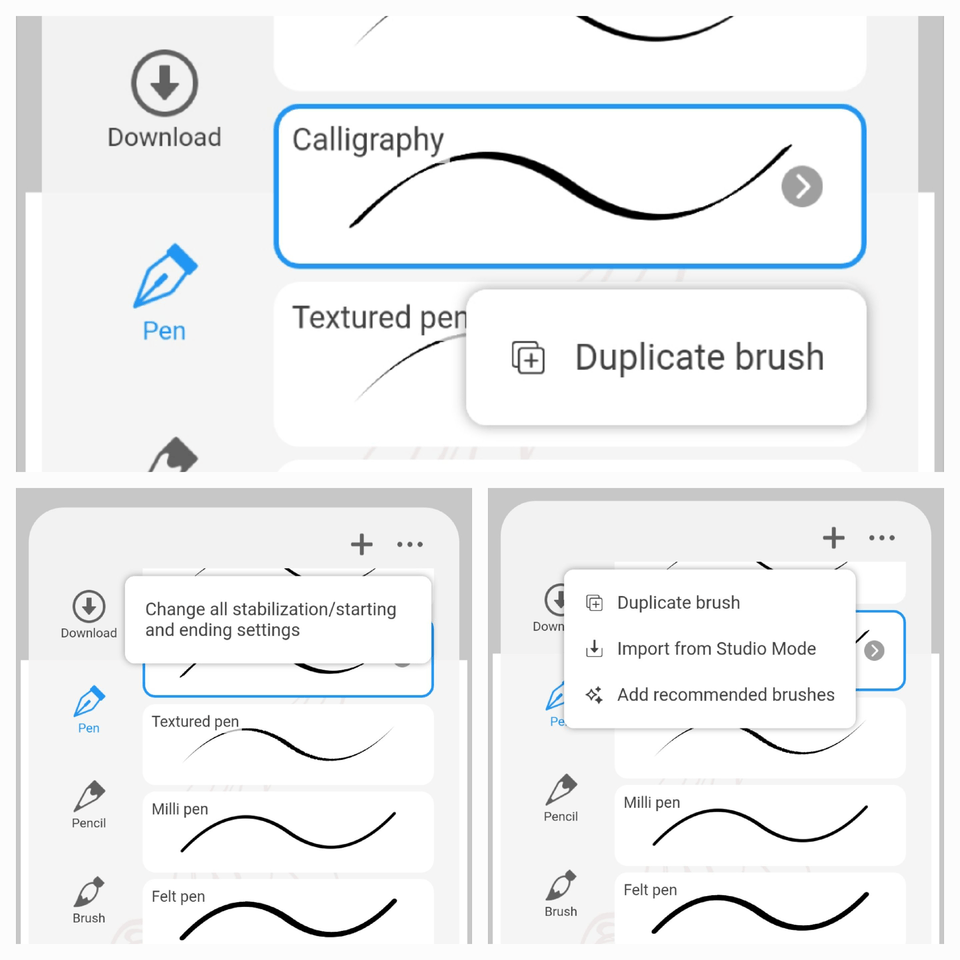
Inside the Brush Settings window, find the menu icon—often represented by three lines or a gear symbol. Click it and select “Import Sub Tool.” A file dialog will appear, allowing you to browse your computer for the brush file you want to add.
- Brush files typically have extensions like .sut or .brush.
- After selecting the file, confirm the import.
- The new brush will appear in your brush palette, ready to use immediately.
Have you ever found a brush that perfectly matches your style but struggled to add it to your workspace? Now you know how simple the import process can be. Try importing different brushes and see how they change your drawing experience.
Managing Imported Brushes
Managing imported brushes in Clip Studio Paint helps keep your workspace organized and efficient. Proper management lets you quickly find and use the brushes you need. It also improves your overall workflow.
Renaming And Grouping Brushes
Rename brushes to make them easier to identify. Right-click the brush in the tool palette and select “Rename.” Choose clear and simple names that describe the brush effect.
Group brushes into folders to keep similar brushes together. Click the small folder icon in the brush panel. Drag and drop brushes into these folders. This saves time and reduces clutter.
Adjusting Brush Settings
Customize brush settings to fit your drawing style. Open the brush settings panel by double-clicking the brush icon. Change parameters like size, opacity, and texture.
Save adjusted brushes under new names. This keeps the original brush intact. You can always return to the default settings later.
Backing Up Custom Brushes
Backing up brushes protects your work from loss. Export custom brushes by selecting them and clicking “Export sub tool.” Save the file in a safe folder on your computer.
Regular backups allow easy restoration after software updates or computer issues. Use cloud storage or external drives for extra security.

Credit: www.youtube.com
Troubleshooting Import Issues
Importing brushes into Clip Studio Paint usually works smoothly. Sometimes, issues can arise that stop the brush from appearing or functioning. Troubleshooting these problems helps save time and frustration. This section covers common problems and easy fixes to get your brushes ready.
Common Import Errors
Brush files may not import due to several simple reasons. One frequent error is the file not showing in the import window. Another issue is a message saying the file format is unsupported. Sometimes, brushes import but do not work correctly or cause crashes.
- File not visible during import
- Unsupported file format error
- Brush does not function after import
- Clip Studio Paint crashes or freezes
Identifying the exact error message helps find the right solution.
Fixing File Compatibility Problems
Clip Studio Paint supports specific brush file types like .sut and .png for materials. Using other file types may cause errors. Check the brush file extension before importing. Rename the file if needed to match the correct format.
Update Clip Studio Paint to the latest version. Older versions may not support new brush files. Restart the program after updates to ensure changes take effect. Try re-downloading the brush if the file seems corrupted or incomplete.
Seeking Help And Resources
Many users share solutions online through forums and videos. Visit the official Clip Studio Paint website for guides and FAQs. Use the user community to ask questions and share experiences. Contact Clip Studio Paint support if the problem persists.
- Official Clip Studio Paint help center
- User forums and discussion boards
- Tutorial videos on importing brushes
- Customer support contact
Frequently Asked Questions
How Do I Import Brushes Into Clip Studio Paint?
To import brushes, open Clip Studio Paint, go to the Sub Tool palette, click the menu, select “Import Sub Tool,” then choose your brush file and confirm.
What File Types Are Supported For Brush Import?
Clip Studio Paint supports. sut,. mul,. abr, and. tpl files for brush import. Ensure your brush file matches these formats.
Can I Import Multiple Brushes At Once?
Yes, you can import multiple brushes simultaneously by selecting multiple brush files during the import process in the Sub Tool palette.
Where Do Imported Brushes Appear In Clip Studio Paint?
Imported brushes appear in the Sub Tool palette under a new or existing brush group, ready for immediate use in your projects.
Conclusion
Importing brushes into Clip Studio Paint is simple and quick. Just follow the steps carefully. You can add new brushes to improve your artwork. This helps you create different styles and effects. Practice using your new brushes to get comfortable.
Keep exploring to find brushes that suit your needs. Enjoy the process and have fun creating. Your art will grow with each new brush you try.