Have you ever struggled to clean acrylic paint from your brushes, only to end up with stiff bristles and ruined tools? If you want to keep your brushes in great shape and ready for your next masterpiece, knowing the right way to wash acrylic paint off them is key.
In this guide, you’ll discover simple, effective steps that save your brushes and make cleanup quick and stress-free. Keep reading, and you’ll never have to toss out a brush again!

Credit: www.amazon.com
Why Clean Acrylic Brushes Promptly
Acrylic paints are loved for their vibrant colors and quick-drying nature. However, this quick-drying feature can become a hassle when it comes to cleaning brushes. If you delay cleaning, the paint can dry and harden, making it challenging to remove. Understanding the importance of cleaning your acrylic brushes promptly can save you time, effort, and money in the long run.
Preventing Paint Drying
Have you ever found your brush bristles stuck together like stubborn friends after a party? That’s what happens when acrylic paint dries on them. Once dry, it becomes almost impossible to remove without damaging the brush. By cleaning them immediately, you prevent the paint from setting in and keep your brushes pliable and ready for the next project.
Extending Brush Life
Acrylic brushes aren’t cheap, and every artist knows the pain of a ruined brush. If you clean your brushes promptly, you’ll avoid the buildup of dried paint, which can shorten their lifespan. Think of it as giving your brushes a spa treatment after each use, ensuring they stay in top-notch condition for your next masterpiece. Wouldn’t you want your tools to last longer and maintain their quality?
Essential Supplies For Cleaning
Cleaning acrylic paint off your brushes doesn’t have to be a frustrating chore. Having the right supplies makes the process faster and more effective. Let’s look at what you need to clean your brushes properly and keep them in great shape for your next project.
Choosing The Right Soap
Not all soaps are created equal when it comes to cleaning paint brushes. You want a soap that breaks down acrylic paint without damaging the bristles.
Many artists recommend using a gentle dish soap or a specially formulated brush cleaner. These options remove paint without leaving residue, so your brushes stay soft and flexible.
Have you ever noticed how some soaps leave your brushes stiff? That’s a sign to switch to a milder soap to protect your tools.
Using Lukewarm Water
Water temperature plays a crucial role in cleaning acrylic paint. Lukewarm water helps dissolve the paint better than cold water.
Hot water might seem like a good idea, but it can weaken the glue holding the bristles. Lukewarm water strikes the perfect balance to loosen paint without causing damage.
Try rinsing your brushes under gentle, lukewarm water to see how much easier the paint washes away.
Additional Tools
Beyond soap and water, some extra tools can make cleaning your brushes quicker and more thorough. A brush comb helps remove dried paint from the bristles without pulling them out.
A small container for soaking brushes or a silicone cleaning mat with ridges can also speed up the process. These tools give you better control and help maintain your brushes’ shape.
Have you tried using these tools before? They might just change the way you clean your brushes for good.
Step-by-step Cleaning Process
Cleaning acrylic paint off brushes is easier with a clear process. Follow these simple steps to keep your brushes in good shape. The process starts immediately after painting to avoid dried paint.
Each step helps remove paint without damaging the bristles. A clean brush lasts longer and works better on your next project.
Rinsing Excess Paint
Start by rinsing the brush under lukewarm water. Hold the bristles downward to avoid water entering the handle. Gently use your fingers to remove loose paint from the brush tips. Keep rinsing until the water runs mostly clear.
Applying Soap And Lathering
Use mild soap or brush cleaner for this step. Apply a small amount to the wet bristles. Rub the bristles gently in your palm or on a textured surface. Create a rich lather to break down paint stuck deep inside.
Gentle Scrubbing Techniques
Use your fingers or a brush comb to clean between bristles. Avoid harsh scrubbing to protect the brush shape. Work the soap through the bristles with light strokes. Focus on areas with stubborn paint residue.
Final Rinse And Shake
Rinse the brush thoroughly under lukewarm water again. Make sure no soap or paint remains. Gently shake the brush to remove excess water. Reshape the bristles and lay the brush flat to dry.
Tips For Stubborn Paint Removal
Stubborn acrylic paint can cling to your brushes, making cleaning feel like a tough challenge. However, with the right techniques and a bit of patience, you can restore your brushes to their original condition without damaging them. Let’s look at some practical tips to tackle those hard-to-remove paint spots effectively.
Using Brush Cleaner
Brush cleaners are specially formulated to break down dried acrylic paint. Apply a small amount directly onto the bristles and gently work it through with your fingers or a brush comb. You’ll notice the paint loosening quickly, which saves time and effort compared to plain soap and water.
Look for cleaners that are safe for synthetic and natural bristles to avoid harm. Have you tried a brush cleaner before? You might be surprised how much easier it makes the process, especially after a long painting session.
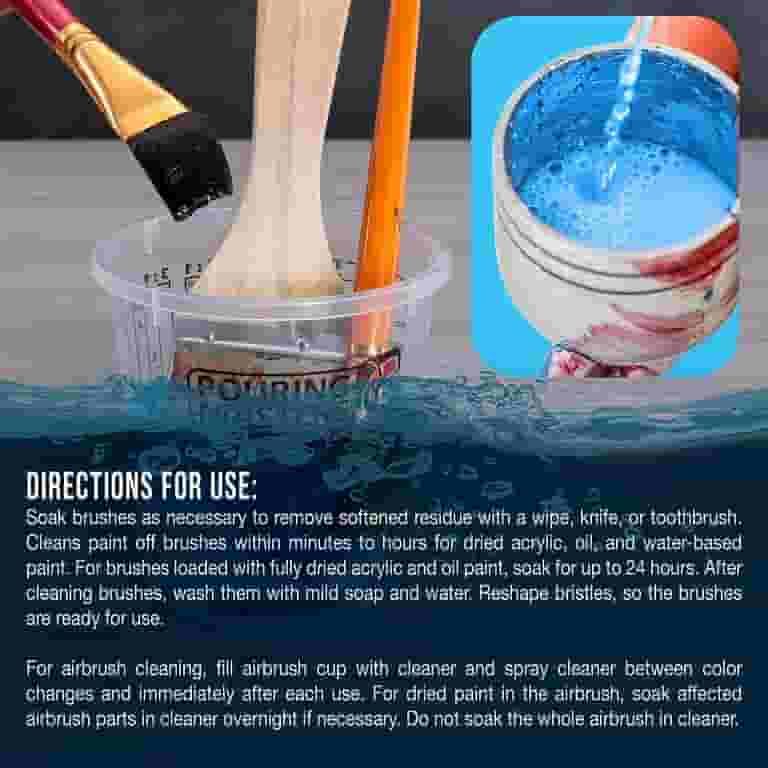
Soaking Brushes Overnight
If the paint is really stubborn, soaking your brushes overnight can do wonders. Fill a container with warm water mixed with a bit of mild soap or brush cleaner, then place your brushes in it with the bristles submerged.
This slow soaking softens dried paint, making it easier to wipe away the next day. Just remember to rinse thoroughly afterward to avoid residue buildup. Ever left your brushes soaking and woke up to almost brand-new brushes? It’s a simple trick that works like magic.
Avoiding Damage
While removing paint, it’s crucial to protect your brushes from damage. Avoid harsh scrubbing or using sharp objects to scrape paint off—this can ruin the bristles and shorten your brush’s lifespan.
Always be gentle and use soft tools like your fingers or a brush comb. Also, don’t soak wooden handles for too long, as excessive water can loosen the glue holding the bristles. How often do you check your brushes for wear and tear? Taking care during cleaning extends their usability significantly.
Drying And Storing Brushes
After washing acrylic paint off your brushes, drying and storing them properly is vital. This step protects the bristles and extends the brush’s life. It also keeps the brushes ready for your next painting session. Poor drying or storage can damage brushes and affect painting quality.
Proper Drying Positions
Dry brushes with the bristles pointing downward. This prevents water from running into the ferrule (the metal part) and loosening the glue. Use a drying rack or hang brushes by the handle. Avoid drying brushes flat on a surface as this can bend the bristles.
Make sure air circulates around the bristles. Keep brushes away from direct sunlight to prevent bristle damage. Let brushes dry completely before storing to avoid mildew and bad odors.
Storage Ideas To Maintain Shape
- Use brush holders that keep bristles upright and separated.
- Store brushes in a jar or cup with bristles up.
- Wrap brushes gently in paper or cloth to protect bristles during transport.
- Use brush guards or covers to keep the shape intact.
- Avoid putting heavy objects on brushes to prevent bending.
Proper storage preserves brush shape and prevents damage. Clean, dry brushes stored well will last longer and perform better.

Credit: www.jacksonsart.com
Common Mistakes To Avoid
Washing acrylic paint off brushes requires care to keep the bristles soft and ready for next use. Many make common mistakes that damage brushes or make cleaning harder. Avoiding these errors saves time and money. Here are key mistakes to watch out for.
Using Hot Water
Hot water can ruin brush bristles. It softens glue that holds them together. This causes bristles to fall out or lose shape. Use lukewarm or cool water instead. It cleans paint without harming the brush.
Skipping Immediate Cleaning
Letting paint dry on brushes is a big problem. Dried acrylic paint becomes tough to remove. It can ruin brushes permanently. Clean brushes right after painting to keep them in good shape. Quick cleaning stops paint from hardening.
Harsh Scrubbing
Scrubbing brushes too hard damages bristles. It can bend or break them. Use gentle strokes with fingers or a soft brush comb. This removes paint without harm. Treat brushes with care to extend their life.
Credit: www.walmart.com
Frequently Asked Questions
How Do I Remove Acrylic Paint From Brushes Quickly?
To remove acrylic paint quickly, rinse brushes immediately under warm water. Use mild soap and gently scrub bristles. Avoid letting paint dry for easier cleaning.
What’s The Best Soap For Cleaning Acrylic Paint Brushes?
Mild dish soap or brush cleaner works best for acrylic paint. These soaps break down paint without damaging bristles. Avoid harsh detergents that may dry out brushes.
Can I Soak Brushes To Clean Dried Acrylic Paint?
Yes, soak brushes in warm water with soap for 10-15 minutes. This softens dried paint, making it easier to remove. Avoid soaking too long to protect bristles.
How To Prevent Acrylic Paint From Ruining Brushes?
Clean brushes immediately after use with water and soap. Avoid letting paint dry on bristles. Store brushes properly to maintain shape and longevity.
Conclusion
Cleaning acrylic paint from brushes is simple with the right steps. Use water and soap quickly after painting. Avoid letting paint dry on the bristles. Gently scrub to protect the brush’s shape. Proper cleaning keeps brushes ready for your next project.
Take care of your tools, and they last longer. Happy painting!