Are your walls looking dull or outdated? You might be wondering how often to paint interior walls to keep your home fresh and inviting.
The truth is, painting too soon wastes time and money, while waiting too long can make your space feel tired. You’ll discover the perfect timing to refresh your walls, so your home always feels vibrant and welcoming. Keep reading to learn the simple signs that tell you when it’s time to grab that paintbrush.
Ideal Painting Frequency
Knowing the ideal painting frequency helps keep walls fresh and vibrant. Paint protects walls from wear and tear. It also enhances the room’s look. However, paint does not last forever. Understanding when to repaint saves time and money. The ideal painting schedule depends on several factors. These include the type of paint, room use, and wall condition. Regular touch-ups can maintain a clean and welcoming space.
Factors Influencing Paint Lifespan
Several factors affect how long paint stays fresh:
- Quality of Paint:Higher-quality paints last longer and resist fading.
- Wall Surface:Smooth surfaces hold paint better than rough ones.
- Exposure to Light:Direct sunlight can cause paint to fade faster.
- Humidity Levels:High humidity can lead to peeling or mold growth.
- Room Usage:Busy rooms face more wear and need frequent painting.
- Cleaning Habits:Frequent cleaning can wear paint down over time.
Room-specific Painting Intervals
Different rooms need repainting at different times:
| Room | Recommended Painting Interval | Reason |
|---|---|---|
| Living Room | Every 5-7 years | Moderate use, less moisture |
| Kitchen | Every 3-5 years | Exposure to heat, grease, and humidity |
| Bathroom | Every 3-4 years | High humidity and moisture |
| Bedroom | Every 5-7 years | Lower traffic, less wear |
| Hallways | Every 2-3 years | High traffic and frequent contact |
:max_bytes(150000):strip_icc()/how-often-to-repaint-GettyImages-1310924469-e2502d2150e847e1829fdc3d52da0ad0.jpg)
Credit: www.realsimple.com
Signs It’s Time To Repaint
When it comes to home maintenance, knowing when to repaint your interior walls can make a significant difference in the overall look and feel of your space. Over time, walls can show signs that it’s time for a fresh coat of paint. Recognizing these signs not only helps maintain aesthetics but also ensures the longevity of your home’s interior. Here are the key indicators that your walls are begging for a makeover.
Visible Wear And Tear
Scratches, dents, and chips can accumulate over time, especially in high-traffic areas. You might notice these imperfections near doorways, hallways, or children’s rooms. Addressing these blemishes can instantly uplift the ambiance of your space.
Consider the last family gathering or a playful pet that left its mark on your walls. Such moments, while cherished, can leave visible reminders. Repainting not only covers up these marks but also provides a chance to refresh your color scheme.
Fading And Discoloration
Sunlight streaming through windows can gradually cause paint to fade, leaving walls looking dull and tired. Even artificial lighting can affect certain colors over time. This can make your room feel less vibrant.
If the once bright hues now seem washed out, it might be time for a change. Choosing a new shade can breathe life into your living space, giving it a renewed sense of energy.
Odors And Stains
Cooking, smoking, or accidental spills can lead to persistent stains and odors that seem impossible to remove. These marks can detract from the cleanliness and freshness of your home.
Imagine walking into a room and being greeted by lingering smells or visible stains. A fresh coat of paint can effectively seal in these odors and provide a clean slate. Ask yourself, isn’t it time to enjoy a fresher, more inviting space?
Choosing The Right Paint
Choosing the right paint can make a big difference in how often you’ll need to repaint your interior walls. The type of paint, its finish, and even its environmental impact all play roles in durability and appearance. Picking paint isn’t just about color—it’s about how it performs over time in your specific space.
Types Of Interior Paints
There are several types of interior paints, each suited for different needs. Latex paint is popular because it dries quickly, cleans up with water, and resists fading. Oil-based paints offer a smooth finish and are very durable but take longer to dry and need solvents for cleanup.
If you want a paint that fights stains and resists moisture, consider acrylic or enamel paints. These are great for kitchens and bathrooms where humidity is high. Think about the room’s use—does it get a lot of traffic or moisture? That should guide your choice.
Finishes And Their Durability
The paint finish affects how long your walls stay looking fresh. Flat or matte finishes hide imperfections well but can be harder to clean. Satin and eggshell finishes offer a balance—they shine a little and are easier to wipe down.
For high-traffic areas, semi-gloss or gloss finishes are best because they resist stains and can be scrubbed without damage. Remember, shinier finishes tend to highlight wall flaws, so choose accordingly. Which room are you painting, and how much wear will it see?
Eco-friendly Options
More people want paints that are better for health and the environment. Low-VOC (volatile organic compound) and zero-VOC paints reduce harmful fumes, making your home safer. These paints have improved a lot and now offer excellent coverage and durability.
Natural paints made from clay, chalk, or milk protein are also options if you want to avoid synthetic chemicals. They’re great for bedrooms and living rooms where air quality matters most. How important is indoor air quality to your family’s comfort?
Preparing Walls Before Painting
Preparing your walls before painting is a crucial step that many overlook, but it can make a huge difference in the final look and durability of your paint job. Taking the time to clean, repair, and prime ensures the paint sticks well and lasts longer. Have you ever painted a room only to see peeling or uneven color weeks later? Proper preparation can help you avoid that frustration.
Cleaning And Repairing
Start by wiping down your walls with a mild detergent solution to remove dust, grease, and stains. Clean walls help paint adhere better and prevent patchy spots.
Next, inspect for cracks, holes, or dents. Use spackling paste or wall filler to smooth out imperfections. After drying, sand the repaired areas gently to create an even surface.
Don’t forget to remove any loose or peeling paint. Skipping this step can lead to bubbling and flaking later on.
Priming Essentials
Priming your walls is key, especially if you’re painting over dark colors or new drywall. Primer creates a uniform base and helps the paint cover better.
If you repaired spots or are painting over stains, use a stain-blocking primer to prevent discoloration from showing through. This step can save you time and money by reducing the number of paint coats needed.
Choose the right primer for your wall type—latex primers work well for most interiors, but oil-based primers might be necessary for certain stains or surfaces.
Painting Tips For Longevity
Painting your interior walls is more than just picking a color and slapping it on. If you want your walls to look fresh and vibrant for years, how you apply the paint matters just as much as what you paint with. Paying attention to the right techniques and using the correct tools can save you time, money, and frustration down the line.
Proper Application Techniques
Start with a clean, dry surface. Dirt and moisture can cause paint to peel or bubble, cutting your wall’s lifespan short.
Use a primer before painting, especially on new drywall or patched areas. It helps the paint stick better and provides a consistent base color.
Apply paint in thin, even coats. Thick layers may seem faster but often lead to drips and uneven drying.
Let each coat dry completely before adding the next. This prevents smudging and ensures a smooth finish.
Have you noticed areas where paint peels faster? It might be due to rushed application or skipping the primer.
Tools And Equipment
Invest in quality brushes and rollers. Cheap tools can leave streaks and shed bristles, ruining your hard work.
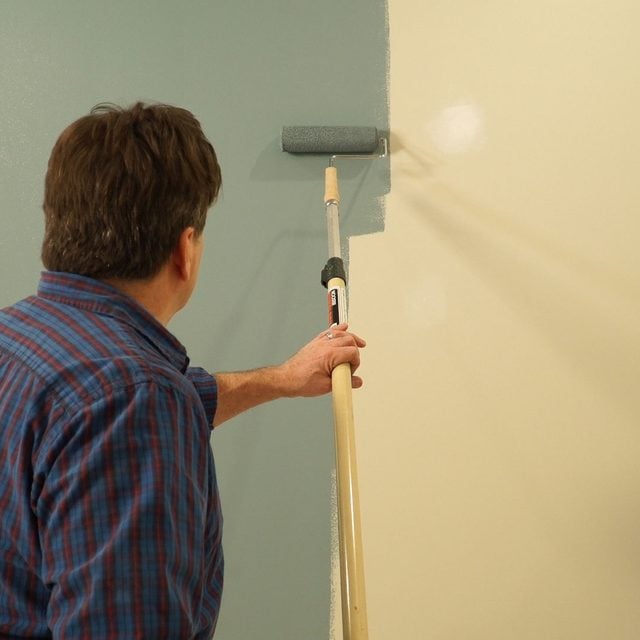
Choose the right roller nap depending on your wall texture—smooth walls need short naps, while rough surfaces require longer ones to reach into crevices.
Keep your tools clean during breaks. Dried paint on brushes or rollers affects the finish and makes future touch-ups harder.
Consider using painter’s tape to protect trim and edges. It saves you from tedious clean-up and keeps lines sharp.
- Use angled brushes for corners and edges.
- Try a paint grid for roller trays to control paint load.
- Replace rollers and brushes after several uses to maintain quality.
Do you check your tools before starting a job or just grab whatever’s at hand? The right equipment can change your painting experience dramatically.
Credit: www.familyhandyman.com
Maintaining Painted Walls
Maintaining painted walls keeps your rooms looking fresh and inviting. Proper care extends the life of your paint job. Small efforts today prevent costly repainting later. Regular attention helps avoid damage and stains. Follow simple steps to preserve your walls’ beauty.
Cleaning Practices
Dust walls often using a soft cloth or vacuum with a brush. Remove dirt and smudges gently with a damp sponge. Use mild soap mixed with water for tougher spots. Avoid harsh chemicals that can damage the paint. Test cleaning solutions on a small area first. Dry walls with a clean towel after washing.
Touch-up Strategies
Keep leftover paint for quick repairs. Match paint color exactly to avoid visible patches. Use a small brush for precise touch-ups on chips and scratches. Blend the edges carefully into the surrounding wall. Address stains and marks soon to stop spreading. Regular touch-ups maintain a smooth, even finish.

Credit: www.facebook.com
Frequently Asked Questions
How Often Should You Paint Interior Walls?
Most interior walls need repainting every 5 to 7 years. High-traffic areas may require more frequent painting to maintain appearance and cleanliness.
What Factors Affect Interior Wall Paint Frequency?
Factors include wall material, room usage, paint quality, and exposure to dirt or moisture. These influence how often repainting is necessary.
Can I Paint Interior Walls Too Often?
Painting too often can waste money and time. Wait until walls show wear, stains, or discoloration before repainting.
How To Tell If Interior Walls Need Repainting?
Look for peeling, fading, stains, or cracks. If walls look dull or damaged, it’s time to refresh the paint.
Conclusion
Painting interior walls depends on many factors. Wear and tear, color choice, and room use matter. Bright colors may fade faster, needing repainting sooner. High-traffic areas often require more frequent touch-ups. A fresh coat keeps rooms looking clean and new.
Regular checks help spot when paint starts to peel or stain. Painting every 5 to 7 years works for most homes. Trust your eyes and feelings about the room’s look. A well-painted wall creates a cozy, fresh space to enjoy.