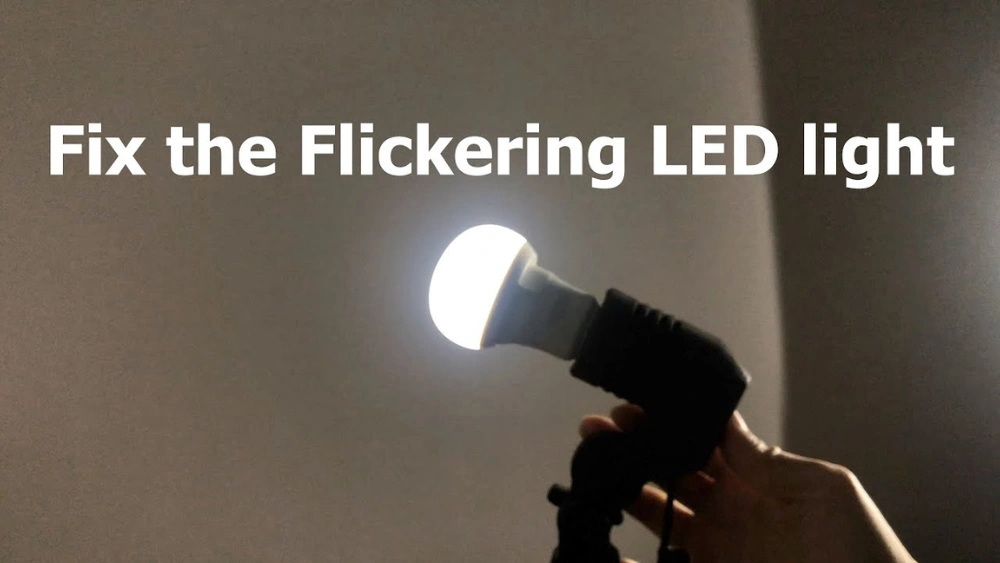
Are your LED bulbs flickering and driving you crazy? That annoying flicker can be more than just a small nuisance—it can strain your eyes, waste energy, and even shorten the life of your bulbs.
But don’t worry, you’re not stuck with this problem. You’ll discover simple, effective ways to stop your LED bulbs from flickering for good. Keep reading, and you’ll learn exactly what’s causing the flicker and how to fix it fast. Say goodbye to that distracting blink and enjoy steady, bright lighting in your home!

Credit: www.familyhandyman.com
Causes Of Led Flickering
LED bulbs flicker for several reasons. Understanding these causes helps fix the problem fast. Flickering can annoy and waste energy. Pinpointing the issue makes your lighting steady and bright. Below are common causes of LED flickering to check first.
Voltage Fluctuations
Voltage changes in your home’s electrical system can cause flickering. Small dips or spikes affect LED bulbs. These bulbs need a steady power supply. Sudden changes make the light blink or dim. Voltage issues often come from large appliances turning on or off. Power surges from the grid also cause flicker.
Incompatible Dimmer Switches
Not all dimmer switches work well with LED bulbs. Older dimmers made for incandescent bulbs can cause flickering. LED bulbs need special dimmers designed for low power. Using the wrong dimmer may cause the light to flash or buzz. Checking compatibility between dimmers and LEDs avoids flicker problems.
Loose Connections
Loose wiring or connections in the light fixture can cause flickering. A bulb that is not screwed in tightly may blink. Faulty wiring in switches or sockets also leads to flicker. Vibrations or poor installation create weak electrical contact. Ensuring secure connections helps keep LED lights steady.

Credit: www.youtube.com
Identifying The Flicker Source
Identifying the source of LED bulb flickering helps fix the issue quickly. Flickering can come from different problems in your lighting setup or electrical system. Finding the exact cause saves time and money. This section guides you through key steps to spot the flicker source clearly.
Observe Flickering Patterns
Watch your LED bulb closely to note how it flickers. Does the light blink on and off fast or slow? Does it dim and brighten in cycles? Flickering that happens only when you turn on certain appliances may mean electrical interference. Random flickers might suggest a loose connection.
Write down these details:
- Frequency of flicker (fast or slow)
- Time of day or conditions when flicker happens
- Any sounds or smells near the bulb
These clues help narrow down whether the bulb, wiring, or power source causes the flicker.
Test Different Outlets
Plug your LED bulb into multiple outlets around your home. Check if the flickering stops or continues. Flickering that only occurs in one outlet may mean wiring issues in that socket. Flicker that follows the bulb everywhere hints the bulb itself or the fixture has a problem.
Try these tips:
- Use outlets on different circuits to rule out circuit problems
- Test with another known good LED bulb to compare behavior
- Check if the bulb fits snugly in each socket
Changing outlets helps pinpoint if the power source or the bulb is the flicker cause.
Simple Solutions For Flickering
Flickering LED bulbs can be annoying and distracting. Simple fixes often stop the flicker quickly. These solutions help you avoid costly replacements and keep your lighting steady. Try easy adjustments and checks to solve the problem fast.
Adjusting Dimmer Settings
Many LED bulbs flicker because dimmer switches are not compatible. Adjust the dimmer to a higher setting to see if flickering stops. Some dimmers work poorly with LED lights. Choose dimmers made for LED bulbs to prevent flickering. Changing the dimmer type can improve bulb performance.
Tightening Loose Connections
Loose wiring can cause flickering in LED bulbs. Turn off the power before checking connections. Tighten the bulb in the socket firmly but gently. Inspect the fixture wiring for any loose or damaged wires. Secure connections ensure steady electricity flow and stop flickering.
Replacing Faulty Bulbs
Sometimes, flickering occurs due to a defective bulb. Test the bulb in another socket to confirm if it flickers there too. Replace any bulbs that show flickering signs. Use high-quality LED bulbs to reduce the chance of flickering. Reliable bulbs offer consistent light without interruptions.
Advanced Solutions
Advanced solutions target the root causes of LED bulb flickering. These fixes often involve electrical components and may require professional help. They provide a more permanent and reliable way to stop flickering.
Installing Flicker-free Dimmers
Standard dimmers may not work well with LED bulbs. Flicker-free dimmers are designed to handle LED technology. They regulate power flow smoothly, reducing flicker and buzz.
Choose dimmers labeled as LED-compatible. These dimmers:
- Provide stable voltage to bulbs
- Prevent rapid fluctuations
- Extend bulb life by reducing stress
Replace old dimmers with flicker-free models to ensure consistent lighting.
Upgrading Electrical Wiring
Old or damaged wiring can cause flickering in LED bulbs. Worn connections may create voltage drops or intermittent power.
Consider inspecting the wiring if flickering persists. Upgrading wiring involves:
- Replacing faulty wires and connections
- Ensuring proper grounding
- Using correct wire gauge for load
Safe and updated wiring delivers steady electricity. This reduces flicker and improves overall lighting quality.
Preventive Measures
Preventing LED bulb flickering saves time and hassle. Simple actions keep lights steady and bright. Regular care and smart choices avoid common flicker problems. Focus on maintenance and quality for lasting results.
Regular Maintenance Checks
Check LED bulbs and fixtures often. Loose connections cause flickering. Tighten socket and wiring connections carefully. Clean bulbs and fixtures from dust and dirt. Dust buildup can disrupt electrical contact. Replace worn or damaged parts immediately. Use a voltage tester to check power supply. Stable voltage means steady lighting.
Choosing Quality Led Bulbs
Buy LED bulbs from trusted brands only. Low-quality bulbs often flicker due to poor components. Look for bulbs with good reviews and certifications. Choose bulbs designed for your fixture type. Match bulb wattage to fixture limits. Use bulbs with compatible dimmers if needed. High-quality bulbs last longer and flicker less.

Credit: www.youtube.com
When To Call A Professional
Sometimes, flickering LED bulbs signal issues beyond simple fixes. Knowing when to call a professional can save you time, money, and potential safety hazards. It’s important to recognize the signs that indicate a problem requires expert attention.
Persistent Flickering
If your LED bulbs continue to flicker even after changing bulbs and checking connections, it’s a red flag. Persistent flickering might indicate wiring problems or incompatible dimmer switches. Ignoring this can lead to damage or electrical hazards, so it’s wise to get a professional to inspect the setup.
I once tried to fix a flickering light myself for weeks, only to find out later that the dimmer switch wasn’t compatible with LED bulbs. A quick call to an electrician solved the problem immediately.
Electrical System Overhaul
Flickering can sometimes be a symptom of a deeper electrical issue, like outdated wiring or overloaded circuits. If you notice flickering lights in multiple rooms or during heavy appliance use, your home’s electrical system may need an overhaul.
Professionals can assess your entire electrical system, ensuring everything meets safety standards and functions properly. Don’t wait for sparks or power outages to take action—call an expert if you suspect your wiring is the culprit.
Frequently Asked Questions
Why Do Led Bulbs Flicker Sometimes?
LED bulbs flicker due to voltage fluctuations, incompatible dimmers, or loose connections. Poor wiring or low-quality bulbs can also cause flickering. Identifying the root cause helps in choosing the right fix.
How Can I Fix Flickering Led Bulbs Easily?
Tighten bulb sockets, replace incompatible dimmers, or use LED-compatible drivers. Ensuring stable voltage supply also prevents flickering. Using high-quality LED bulbs reduces flicker risk.
Does Flickering Led Waste Electricity?
Yes, flickering LEDs consume more power and reduce bulb lifespan. It also causes eye strain and discomfort. Fix flickering early to save energy and prolong bulb life.
Can Faulty Wiring Cause Led Flickering?
Faulty wiring can cause inconsistent power flow, leading to LED flickering. Inspect wiring for damage or loose connections. Hiring an electrician ensures safe, proper repairs.
Conclusion
Stopping LED bulbs from flickering is easier than you think. Check connections and replace faulty parts quickly. Choose bulbs that match your fixtures and dimmers. Clean the sockets and avoid low-quality products. Small fixes can save you from constant flicker.
Bright, steady light improves your home’s comfort. Keep your lighting safe and reliable every day. Simple steps lead to long-lasting, flicker-free bulbs.