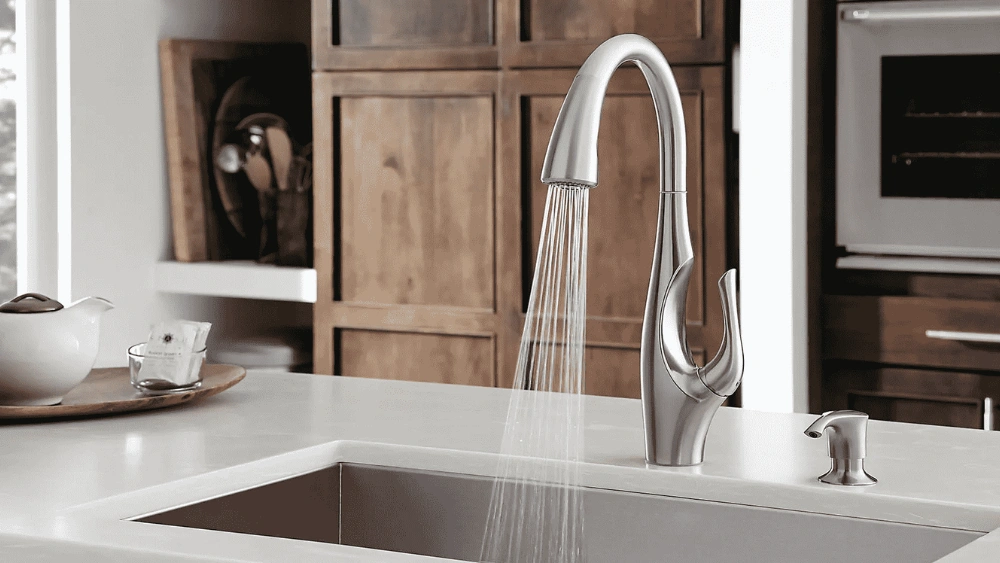
If your Pfister kitchen faucet is leaking, damaged, or just needs an upgrade, you might be wondering how to remove it without making a mess. Removing a faucet can seem tricky, but with the right steps, you can do it yourself quickly and safely.
In this guide, you’ll discover simple, clear instructions that anyone can follow. By the end, you’ll feel confident handling your faucet removal and ready for the next step in your kitchen project. Keep reading to make the process smooth and stress-free.
Gather Necessary Tools
Gathering the right tools makes removing a Pfister kitchen faucet easier and faster. Preparing before you start saves time and avoids frustration. Each tool has a specific role in the removal process.
Organize your tools in one place. Check if everything is in good condition. This way, you can work smoothly without interruptions.
List Essential Tools
- Adjustable wrench – to loosen nuts and bolts
- Basin wrench – for hard-to-reach fittings under the sink
- Screwdriver (flathead and Phillips) – to remove screws
- Plumber’s tape – to seal threads if needed during reinstallation
- Bucket – to catch water from disconnected pipes
- Towels or rags – to clean spills and dry surfaces
- Pliers – for gripping and twisting small parts
Safety Precautions
Turn off the water supply before starting work. This prevents leaks and water damage.
Wear safety gloves to protect your hands from sharp edges and hot water.
Use eye protection to avoid debris or splashes entering your eyes.
Work in a well-lit area to see all parts clearly.
Keep your workspace tidy to avoid accidents or losing small parts.

Credit: www.reddit.com
Turn Off Water Supply
Turning off the water supply is crucial before removing a Pfister kitchen faucet. This prevents leaks and potential damage. It’s a simple process but requires attention to detail. Follow these steps to ensure a safe disconnection.
Locate Shutoff Valves
Find the shutoff valves under the sink. They are usually on the pipes leading to the faucet. They might be labeled as hot and cold water valves. Turn them clockwise to close. Use a flashlight if visibility is poor. Make sure they are fully shut to prevent water flow.
Test Water Flow
After closing the valves, test the faucet. Turn it on to check if any water flows. This confirms the valves are shut properly. If water is still flowing, tighten the valves further. Repeat the test until the faucet runs dry. This step is essential for a leak-free removal process.
Prepare The Work Area
Preparing the work area is essential before removing a Pfister kitchen faucet. A clean and organized space helps prevent damage and makes the process smoother. Taking time to set up properly saves effort later and keeps tools within reach.
Clear Under-sink Space
Remove all items stored under the sink. This creates room to move and access plumbing easily. Clearing the area prevents objects from falling or getting wet during the removal. It also helps you spot any leaks or damage early.
Protect Cabinets And Floor
Place a waterproof mat or old towels on the cabinet floor. This stops water spills from damaging the wood or tile. Use painter’s tape or cardboard to shield cabinet edges from scratches. Protection keeps your kitchen neat and avoids costly repairs.
Disconnect Water Lines
Disconnecting the water lines is a key step when removing your Pfister kitchen faucet. Handling this part carefully prevents leaks and protects your kitchen from water damage. Understanding how to properly disconnect the lines will save you time and frustration later on.
Loosen Supply Connections
Start by locating the water supply valves under your sink. Use an adjustable wrench to gently loosen the nuts connecting the water lines to the faucet. Avoid using excessive force; a snug twist is usually enough to break the seal without damaging the fittings.
If the connections feel stuck, try applying a little penetrating oil and wait a few minutes before trying again. This small trick helped me avoid stripping the nuts during my last faucet replacement.
Handle Residual Water
Even after closing the supply valves, some water may remain in the lines. Place a bucket or a large bowl under the connections to catch any drips. Slowly loosen the nuts and allow the water to drain out completely.
Have some towels handy to wipe up any spills quickly. This simple step can save you from unexpected puddles and a bigger cleanup job.
Remove Mounting Hardware
Removing the mounting hardware is a key step in detaching a Pfister kitchen faucet. This process frees the faucet from the sink, allowing for safe removal or replacement. Proper handling of the mounting nuts and bolts ensures no damage to your sink or faucet parts.
Access Mounting Nuts
Locate the mounting nuts beneath the sink. Use a flashlight to see clearly in the tight space. Clear any debris or dirt around the nuts. This makes turning easier and prevents damage. Reach up with your hand or tool to feel the nuts. They hold the faucet securely in place.
Use Proper Tools
Choose the right tools for loosening the mounting nuts. An adjustable wrench or basin wrench works well. These tools fit into tight spaces under the sink. Avoid using pliers, which can slip and cause damage. Turn the nuts counterclockwise to loosen them. Keep steady pressure to avoid stripping the threads.

Credit: www.reddit.com
Lift Out The Faucet
Lifting out your Pfister kitchen faucet might seem tricky at first, but it’s a straightforward task once you know what to expect. This step is essential to avoid damaging your sink or faucet during removal. Paying close attention here saves you time and frustration later.
Free Faucet From Sink
Start by checking underneath the sink where the faucet connects. You’ll find mounting nuts or a retaining clip holding the faucet in place. Use a basin wrench or adjustable pliers to loosen these carefully.
Once the nuts or clips are removed, gently wiggle the faucet to free it. Sometimes it sticks due to old plumber’s putty or grime. Don’t force it too hard; instead, try rocking it back and forth to loosen the seal.
Have you noticed mineral build-up around your faucet base? That can make removal tougher. Using a putty knife or a plastic scraper can help break the seal without scratching your sink.
Clean Mounting Surface
After lifting the faucet out, clean the area where it sat on the sink. Remove any plumber’s putty, silicone, or grime with a putty knife and a mild cleaner. A clean surface ensures a good seal for your new faucet or when reinstalling.
Inspect the sink for any damage or rust. If you find any, now is the best time to address it before installing a new faucet. Have you ever skipped cleaning this spot only to face leaks later? It’s a small step that pays off.
Wipe the area dry and let it air out for a few minutes. This prevents moisture from getting trapped under the new faucet, which can cause mold or corrosion over time.
Troubleshoot Common Issues
Troubleshooting common issues can save time when removing a Pfister kitchen faucet. Some problems make removal difficult and frustrating. Identifying these issues early helps you prepare the right tools and methods. Below are common problems and simple ways to handle them effectively.
Stuck Parts
Parts often get stuck due to tight fittings or old installation. Start by applying a lubricant like WD-40 to loosen connections. Let it sit for several minutes. Use a wrench or pliers carefully to avoid damage. Tap gently with a rubber mallet if needed. Avoid forcing parts as this can break them or the sink.
Corrosion And Rust
Corrosion and rust can make faucet removal tough. Mineral buildup from water causes metal to stick together. Use a rust remover or a mixture of vinegar and baking soda. Apply it to affected areas and wait 10-15 minutes. Scrub with a wire brush or old toothbrush. This process helps break down rust and frees stuck parts.

Credit: www.reddit.com
Dispose Of Old Faucet Properly
Disposing of an old Pfister kitchen faucet requires care to protect the environment. Proper disposal stops harmful materials from polluting water and soil. It also helps recover valuable metals. Follow safe and legal ways to get rid of your old faucet.
Recycling Options
Many parts of a faucet can be recycled. Metals like brass, copper, and stainless steel have high recycling value. Separate the faucet from any plastic or rubber pieces before recycling. Local scrap metal yards often accept old faucets for recycling.
Some hardware stores offer recycling programs for plumbing fixtures. Check if your store collects used faucets. This option saves you a trip to a recycling center. It also supports community recycling efforts.
Local Disposal Guidelines
Each area has rules for disposing of plumbing fixtures. Some places treat faucets as regular trash. Others require dropping them off at special waste centers. Contact your local waste management office for instructions.
Improper disposal may lead to fines or environmental harm. Follow the guidelines carefully to avoid issues. Prepare the faucet by draining any water and removing loose parts. This makes disposal easier and safer for workers.
Frequently Asked Questions
How Do I Disconnect A Pfister Kitchen Faucet?
Turn off the water supply first. Use an adjustable wrench to loosen the mounting nuts under the sink. Carefully disconnect the supply lines attached to the faucet. Remove the faucet from the sink by lifting it straight up.
What Tools Are Needed To Remove Pfister Faucets?
You need an adjustable wrench, basin wrench, and a bucket. A flashlight helps to see under the sink. Optional tools include pliers and a screwdriver for additional parts. These tools make the removal process smoother and safer.
How To Prevent Water Leaks After Faucet Removal?
Turn off water supply before removal to avoid leaks. Drain any remaining water from lines. Inspect and replace any worn-out washers or O-rings. Tighten connections securely when installing a new faucet. Check for leaks by slowly turning water back on.
Can I Remove A Pfister Faucet Without Professional Help?
Yes, you can remove it yourself with basic tools. Follow safety steps like shutting off water supply. Carefully loosen mounting nuts and supply lines. Watch tutorial videos if unsure. Most homeowners can handle faucet removal with patience.
Conclusion
Removing a Pfister kitchen faucet can be simple with the right steps. Take your time and follow each part carefully. Use the proper tools to avoid damage or leaks. Keep your workspace clean and organized to work safely. Once removed, check for any worn parts before installing a new faucet.
This guide helps you save money and effort on repairs. Now, you can handle faucet removal confidently on your own. Ready for your next home project?