Have you ever opened a can of interior paint and wondered, “Is this still good to use?” Knowing how long your paint lasts can save you time, money, and frustration. You don’t want to waste effort on a project only to find the paint has gone bad.
You’ll discover exactly how long interior paint stays fresh, what signs to look for when it’s no longer usable, and simple tips to extend its life. Keep reading to make sure your next painting job turns out perfect every time.
Shelf Life Of Interior Paint
Paint can change the look of a room quickly. Knowing how long interior paint lasts is important. Paint has a shelf life, and understanding this helps in planning projects effectively.
Factors Affecting Paint Longevity
Several factors influence how long paint remains usable. Proper storage is key. Paint should be kept in a cool, dry place. Exposure to extreme temperatures can degrade its quality.
Seal the paint can tightly after each use. Air exposure can lead to drying and spoilage. Paint quality also plays a role. High-quality paint generally lasts longer than cheaper options.
Differences Between Latex And Oil-based Paints
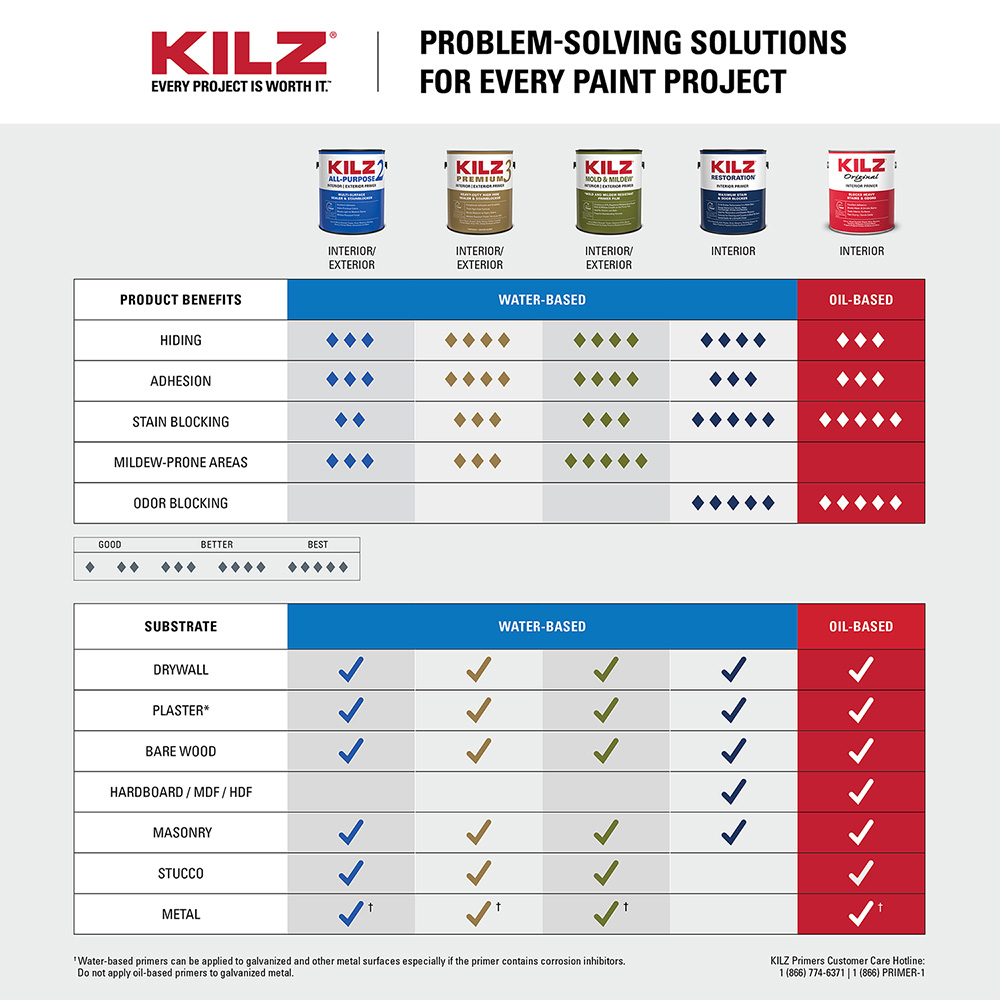
Latex and oil-based paints have different shelf lives. Latex paint tends to last longer. It usually stays good for up to 10 years if stored properly. Oil-based paint has a shorter shelf life, around 5 to 8 years.
Latex paint is water-based, making it easier to store. Oil-based paint requires more care in storage. It can become thick and unusable over time. Choose the right type based on your needs and storage capacity.
Credit: www.kilz.com
Signs Paint Has Gone Bad
Knowing the signs that your interior paint has gone bad can save you time, money, and a lot of frustration. Paint doesn’t last forever, and using old or spoiled paint can lead to poor coverage and uneven finishes. Watch out for these common warning signs before you start your next project.
Changes In Texture And Smell
Fresh paint has a smooth, creamy texture that spreads easily. If you notice your paint has become thick, grainy, or lumpy, it’s a clear sign it’s past its prime. Sometimes, the paint may even feel sticky or dry out in parts inside the can.
Another red flag is the smell. Good interior paint usually has a mild odor. If your paint smells sour, rancid, or sharply chemical, it’s likely gone bad. Using paint with a bad smell can affect indoor air quality and ruin your walls.
Formation Of Clumps And Separation
When you open a can of old paint, you might see layers separating, with water or liquid on top and solid chunks settling below. Stirring can sometimes fix mild separation, but clumps that don’t dissolve are a problem. These clumps won’t mix evenly and will cause patchy application.
Have you ever tried painting with paint that left bumps and streaks? That’s often due to clumps or dried bits in the can. If you find these, it’s best to replace the paint instead of risking a poor finish on your walls.
Proper Storage Techniques
Proper storage techniques play a crucial role in extending the life of your interior paint. Paint can lose its quality if exposed to unfavorable conditions. Knowing how to store it correctly can save you money and ensure your paint is ready for touch-ups or new projects.
Ideal Temperature And Humidity
Paint should be stored in a cool, dry place to maintain its quality. Temperatures between 50°F and 77°F (10°C to 25°C) are best. Extreme heat can cause the paint to dry out or separate, while freezing temperatures may ruin its consistency.
Humidity also affects paint storage. High humidity can lead to condensation inside the container, causing mold or clumping. Aim for a place with low moisture levels, such as a climate-controlled basement or closet.
Have you checked your storage area’s temperature lately? A quick thermometer reading can prevent costly paint spoilage.
Sealing And Container Tips
Properly sealing your paint container is key to preserving freshness. Use a rubber mallet or a flat tool to gently tap the lid down, ensuring an airtight seal. Avoid using hammers or excessive force, which can warp the lid and break the seal.
Consider transferring leftover paint to smaller, airtight containers if the original can is almost empty. This reduces the amount of air inside, slowing down drying and skin formation on the paint surface.
- Clean the rim of the can before sealing to prevent paint buildup that breaks the seal.
- Store cans upside down to create a tighter seal and prevent air from entering.
- Label your cans with the date of purchase or opening for better tracking.
Have you ever opened a paint can only to find it unusable? These simple sealing tips can help you avoid that frustration.
Credit: www.homedepot.com
Extending Paint Freshness
Keeping interior paint fresh for longer saves money and reduces waste. Proper care preserves its color and texture. Simple steps help maintain paint quality after opening the can. Storing and handling paint correctly extends its usability for future projects.
Using Paint Preservers
Paint preservers slow down drying and prevent skin formation. Add the recommended amount to your paint before sealing the can. These additives keep the paint moist and ready for use. They work well with latex and water-based paints. Preservers reduce the chance of clumps forming inside the can.
Stirring And Straining Before Use
Stir paint thoroughly before each use to mix settled pigments. Use a clean stick or paint stirrer for even color and texture. Strain paint through a fine mesh to remove lumps or debris. This step ensures smooth application and prevents brush clogs. Stirring and straining improve the finish and extend paint life.
When To Dispose Old Paint
Knowing when to dispose of old paint is key to keeping your home safe and clean. Paint does not last forever. Over time, it thickens, smells bad, or separates. These signs show paint is no longer good for use. Holding onto bad paint can cause spills or harmful fumes. It is important to get rid of it properly.
Environmental Considerations
Old paint can harm the environment if thrown away carelessly. It may contain chemicals that pollute soil and water. Pouring paint down drains or in the trash is unsafe. It can reach rivers and lakes, hurting animals and plants. Paint cans also add to landfill waste. Proper disposal helps protect nature and wildlife.
Safe Disposal Methods
- Check local waste programs for hazardous waste collection days.
- Use community paint recycling centers to drop off old paint.
- Dry out small amounts of paint by leaving the lid off in a ventilated area, then dispose of it in regular trash if allowed.
- Never pour paint into drains, toilets, or on the ground.
- Seal paint cans tightly before disposal to prevent leaks.
Following these steps reduces risks to health and the environment. Dispose of paint responsibly to keep your home and planet safe.
Credit: www.paulsprecisionpaintingllc.com
Frequently Asked Questions
How Long Does Interior Paint Last Unopened?
Unopened interior paint typically lasts 2 to 10 years. Proper storage in a cool, dry place extends its shelf life. Avoid freezing or extreme heat to maintain paint quality and usability.
Can Opened Interior Paint Be Stored For Reuse?
Yes, opened interior paint can last 2 to 5 years if sealed tightly. Store it in a cool, dry area, and avoid contamination to keep it usable.
How To Tell If Interior Paint Has Gone Bad?
Check for foul odor, thick clumps, or separation that doesn’t mix well. These signs indicate the paint is no longer good to use.
Does The Type Of Paint Affect Its Shelf Life?
Yes, latex paints generally last 2 to 10 years unopened. Oil-based paints can last longer but require proper sealing and storage to maintain quality.
Conclusion
Interior paint usually lasts about 5 to 10 years unopened. Store paint in a cool, dry place to keep it fresh longer. Always check the paint’s smell and texture before use. If paint smells bad or clumps, it’s time to replace it.
Proper storage helps avoid waste and saves money. Knowing paint’s shelf life helps plan your projects well. Keep your walls bright and fresh by using good paint. Simple care extends paint’s usefulness and keeps your home looking nice.