Your kitchen faucet is one of the most used spots in your home, but it often gets overlooked when it comes to cleaning. Over time, dirt, grime, and hard water stains build up, making your faucet look dull and even affecting how well it works.
You want your kitchen to feel fresh and clean, and that starts with your faucet. You’ll discover simple, effective ways to clean your kitchen faucet quickly and easily. By the end, you’ll know exactly how to keep it sparkling and functioning like new.
Ready to transform your kitchen faucet? Let’s get started!
Gather Necessary Supplies
Gathering the right supplies makes cleaning your kitchen faucet easier. Having everything ready saves time and effort. It also helps you clean more effectively.
Use common household items for a simple and safe cleaning process. Many supplies are affordable and easy to find.
Cleaning Cloths And Sponges
- Soft microfiber cloths prevent scratches on the faucet surface.
- Non-abrasive sponges help remove grime without damage.
- Old toothbrushes reach tight spots and crevices.
Cleaning Solutions
- Mild dish soap cuts grease and dirt gently.
- White vinegar removes mineral deposits and water stains.
- Baking soda acts as a natural, gentle abrasive.
Tools For Detailed Cleaning
- Spray bottle for easy application of cleaning liquids.
- Rubber gloves protect your hands from irritation.
- Paper towels or dry cloths for drying and polishing.
Prepare The Area
Preparing the area before you clean your kitchen faucet is crucial for a smooth and effective process. It helps prevent water damage, keeps your cleaning supplies organized, and gives you enough space to work comfortably. Think of this step as setting the stage for a hassle-free faucet cleaning experience.
Clear The Sink And Countertop
Remove any dishes, soap dispensers, or kitchen tools around the sink. This gives you ample room to reach every part of the faucet without obstruction. A clear space also prevents accidental spills from damaging other items.
Gather Your Cleaning Supplies
Collect all necessary items like a soft cloth, old toothbrush, mild detergent, vinegar, and a bowl of warm water. Having everything within arm’s reach saves time and keeps you focused. You don’t want to pause mid-cleaning just to hunt for a sponge.
Protect Surrounding Surfaces
Place a towel or a waterproof mat around the sink area to catch drips and prevent water damage. This simple step can save your countertops from stains or warping. Ever dealt with a countertop that warped because of unnoticed water spills? Protecting your surfaces upfront avoids that frustration.
Turn Off The Water Supply
Shut off the water valves under the sink before starting the cleaning. This prevents accidental sprays or leaks while you scrub. It might seem obvious, but skipping this step can lead to an unwanted mess.
Remove Mineral Deposits
Mineral deposits often build up on kitchen faucets due to hard water. These deposits block water flow and make faucets look dull. Removing these deposits keeps your faucet shiny and working well. Simple household ingredients can dissolve and lift away mineral buildup safely.
Using Vinegar Solutions
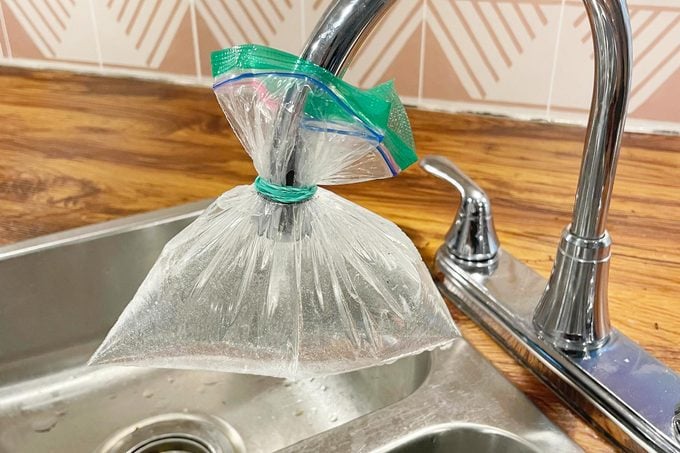
Vinegar is acidic and breaks down minerals easily. Use white vinegar for best results. Soak a cloth or paper towel in vinegar. Wrap it tightly around the faucet where deposits appear. Let it sit for 30 minutes to an hour. After soaking, scrub gently with a soft brush or sponge. Rinse thoroughly with water to remove vinegar and loosened deposits.
Baking Soda Paste Application
Baking soda acts as a mild abrasive to scrub off minerals. Make a paste with baking soda and a little water. Apply the paste directly to the affected areas on the faucet. Let the paste sit for 15 to 20 minutes. Use a soft brush or sponge to scrub the deposits gently. Rinse well with water to clear all residue. Repeat if necessary for stubborn buildup.
Clean Faucet Handles
Cleaning the faucet handles keeps your kitchen looking fresh and hygienic. Handles collect dirt, grease, and grime from frequent touching. Regular cleaning stops buildup and keeps the faucet working well. Focus on the handles to maintain shine and prevent damage.
Detaching Handles
Start by turning off the water supply to avoid leaks. Use a screwdriver or an Allen wrench to remove screws. Screws may be hidden under decorative caps; pry them gently with a flat tool. Keep screws and parts safe while cleaning. Detaching handles allows access to hard-to-reach spots.
Scrubbing Techniques
Use a soft brush or toothbrush to scrub dirt and grime. Apply mild dish soap or a vinegar-water mix for tough stains. Avoid harsh chemicals that can damage the finish. Clean around edges and inside crevices carefully. Rinse with water and dry with a soft cloth to prevent water spots.
Polish For Shine
Polishing your kitchen faucet brings back its bright shine. It removes water spots and light stains. A good polish also protects the surface from future damage. This step enhances the faucet’s look and keeps it clean longer.
Choosing The Right Polish
Pick a polish made for your faucet’s material. Common materials include chrome, stainless steel, and brass. Using the wrong polish can cause damage or dullness. Look for non-abrasive polishes with gentle cleaning agents. Avoid harsh chemicals that may strip the finish.
Check product labels for compatibility. Natural or eco-friendly polishes work well for sensitive surfaces. You can also use household items like vinegar or baking soda for mild polishing.
Application Method
Start with a clean, dry faucet surface. Apply a small amount of polish to a soft cloth. Rub the polish gently in circular motions.
- Cover all areas evenly.
- Focus on spots with water stains or dullness.
- Allow the polish to sit for a few minutes.
Use another clean cloth to buff the faucet. Buffing removes excess polish and boosts shine. Repeat the process if needed for extra brightness.
Credit: www.rd.com
Maintain Regular Cleaning
Keeping your kitchen faucet clean doesn’t have to be a big chore. Regular maintenance prevents buildup and keeps your faucet looking shiny and working smoothly. Small habits can save you from tough stains and costly repairs down the line.
Weekly Touch-ups
Spend a few minutes each week wiping down your faucet with a soft cloth and mild soap. This simple act removes water spots and prevents mineral deposits from forming. If you notice any stubborn spots, a quick scrub with a toothbrush can work wonders.
Try to dry the faucet after each use. Water left sitting on the surface often leads to spots and corrosion. Have you ever noticed how a quick wipe makes your faucet look almost brand new?
Long-term Care Tips
Think about the last time you gave your faucet a deep clean. A monthly routine that includes soaking the aerator in vinegar can improve water flow and reduce buildup. Unscrewing the aerator is easier than you might think, and it’s a simple trick to keep your faucet performing well.
Also, check seals and connections periodically to catch leaks early. Even a small drip can cause damage over time. What small step can you take today to extend the life of your kitchen faucet?

Credit: www.yahoo.com
Frequently Asked Questions
How Often Should I Clean My Kitchen Faucet?
Clean your kitchen faucet at least once a week. Regular cleaning prevents buildup of grime and water spots. It keeps your faucet shiny and hygienic. Deep clean monthly to remove mineral deposits and bacteria effectively.
What Is The Best Way To Remove Hard Water Stains?
Use a mixture of vinegar and water to remove hard water stains. Soak a cloth in this solution and wrap it around the faucet. Leave it for 15-20 minutes, then scrub gently with a soft brush. Rinse and dry thoroughly for best results.
Can I Use Bleach To Clean My Kitchen Faucet?
Avoid using bleach on your kitchen faucet as it can damage finishes. Instead, use mild soap and water or vinegar solutions. These are safe, effective, and won’t harm the faucet’s surface or plumbing fixtures.
How Do I Clean Inside The Faucet Aerator?
Unscrew the aerator gently from the faucet. Soak it in vinegar for 30 minutes to dissolve mineral deposits. Use a small brush to scrub inside. Rinse well and reattach to restore water flow and quality.
Conclusion
Cleaning your kitchen faucet keeps it looking fresh and working well. Regular care stops dirt and buildup from causing problems. Use simple tools and natural cleaners for safe, easy cleaning. A clean faucet adds to your kitchen’s overall hygiene and style.
Make cleaning a small habit to enjoy a shiny, smooth faucet every day. It’s quick, simple, and worth the effort. Keep your kitchen faucet clean and enjoy the difference.