Is your kitchen faucet leaking, outdated, or just not working the way you want? Changing out a kitchen faucet might sound tricky, but you can do it yourself with the right steps.
Imagine saving money on repairs and giving your kitchen a fresh new look in just an afternoon. In this guide, you’ll find simple, clear instructions that anyone can follow. Ready to take control and upgrade your kitchen? Keep reading, and by the end, you’ll know exactly how to replace your faucet with confidence.
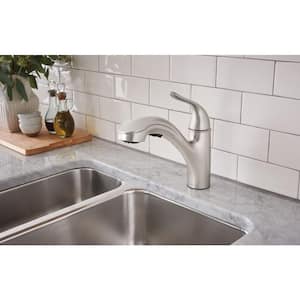
Credit: www.homedepot.com
Choosing The Right Faucet
Choosing the right faucet can make a huge difference in both the look and function of your kitchen. It’s more than just picking a pretty design; you want a faucet that fits your daily needs and lasts for years. Think about how you use your kitchen sink and what features will make your life easier.
Types Of Faucets
There are several types of kitchen faucets to consider, each with its own advantages:
- Single-handle faucets:Easy to use with one hand, perfect for quick temperature adjustments.
- Double-handle faucets:Offer precise control over hot and cold water separately.
- Pull-down and pull-out faucets:Flexible and great for rinsing dishes or cleaning the sink.
- Touchless faucets:Activate with a simple wave, ideal for hands-free operation and hygiene.
Which type fits your kitchen habits best? If you often multitask, a pull-down or touchless faucet could save you time and hassle.
Considerations For Style And Function
Your faucet should match your kitchen’s style but also meet practical needs. Look at the finish—chrome, brushed nickel, or matte black—and pick one that complements your cabinets and appliances.
Height and reach matter too. Taller faucets give more space for washing large pots, but they can splash more if your sink is shallow. Think about your sink size and how much clearance you need.
Don’t forget about water efficiency. Faucets with aerators reduce water flow without sacrificing pressure, helping you save on bills without losing performance.
Budgeting For Your New Faucet
Faucet prices can vary widely, from under $50 to several hundred dollars. Set a budget that balances quality and features you want.
Remember, a higher price often means better durability and fewer leaks. Investing a bit more upfront can save you from costly repairs later.
Check if your chosen faucet comes with a warranty. It’s a good safety net, especially if you’re trying out new technology like touchless models.
Credit: www.tiktok.com
Gathering Necessary Tools
Before diving into replacing your kitchen faucet, it’s crucial to gather all the necessary tools and materials. Having everything ready saves time and prevents frustration mid-project. It also ensures the job goes smoothly and safely.
Essential Tools And Supplies
Start by collecting the basic tools you’ll need:
- Adjustable wrench – perfect for tightening and loosening nuts of various sizes.
- Basin wrench – designed specifically to reach tight spaces behind the sink.
- Plumber’s tape (Teflon tape) – helps create a watertight seal on threaded connections.
- Screwdriver set – both flathead and Phillips types may be necessary.
- Bucket – to catch any leftover water when disconnecting pipes.
- Rags or towels – useful for wiping up spills and keeping your workspace clean.
Having these on hand keeps you from scrambling around and interrupting your workflow.
Safety Gear To Consider
Don’t overlook safety while working under the sink. Even simple tasks can cause injuries if you’re not careful. Wearing gloves protects your hands from sharp edges and harsh cleaning chemicals.
Safety glasses shield your eyes from unexpected splashes or debris. If you’re working in a cramped space, a headlamp or flashlight can help you see clearly and avoid accidents. How comfortable do you feel working in tight spots? Preparing well can boost your confidence and reduce risks.
Preparing Your Workspace
Clear out the cabinet under your sink to give yourself room to move. Remove anything fragile or valuable that could get damaged by water or dropped tools. Lay down a towel or plastic sheet to protect the cabinet floor from spills.
Turn off the water supply before you begin to prevent flooding. Opening the faucet afterward will help drain any remaining water in the pipes. A well-prepared workspace makes the whole process less stressful and more efficient.
Removing The Old Faucet
Removing the old kitchen faucet is the first key task before installing a new one. This process involves a few simple steps that anyone can follow. Prepare the area under the sink and gather basic tools like an adjustable wrench and a bucket to catch water. Work carefully to avoid damaging pipes or fixtures.
Turning Off Water Supply
Locate the shutoff valves under the sink. Turn each valve clockwise to close them. If no valves exist, turn off the main water supply. Open the faucet to drain any remaining water from the lines. This prevents leaks while removing the faucet.
Disconnecting Water Lines
Use an adjustable wrench to loosen the nuts connecting the water lines to the faucet. Place a bucket underneath to catch any water drops. Carefully unscrew the nuts and pull the water lines away from the faucet. Set the lines aside without bending or damaging them.
Removing Mounting Nuts
Look under the sink for mounting nuts securing the faucet to the sink. Use a basin wrench or adjustable wrench to loosen these nuts. Turn them counterclockwise until loose. Once all nuts are removed, lift the old faucet gently away from the sink surface.
Installing The New Faucet
Installing the new faucet is the final and crucial part of the kitchen faucet replacement. This process ensures your faucet sits securely and works correctly. Careful positioning and proper connection of water lines prevent leaks and damage.
Positioning The New Faucet
Start by placing the new faucet into the mounting holes on the sink. Align the faucet base properly to ensure it sits flat and stable. Check that the handle moves freely without hitting the sink or countertop. Hold the faucet firmly to avoid shifting during securing.
Securing The Faucet In Place
Underneath the sink, use the mounting nuts or brackets supplied with your faucet. Tighten these parts by hand first, then use a wrench for a firm fit. Avoid overtightening to prevent damage to the sink or faucet. Confirm the faucet is steady and does not wobble before proceeding.
Connecting Water Lines
Attach the hot and cold water supply lines to their corresponding valves. Use plumber’s tape on threads to ensure a tight seal. Tighten connections with a wrench but do not force them. After connecting, turn on the water slowly and check for leaks. Tighten any loose connections if necessary.
Testing The New Faucet
After installing your new kitchen faucet, testing it thoroughly is essential. This step ensures everything works smoothly and prevents future headaches. You want to catch any issues early before they turn into costly repairs.
Checking For Leaks
Turn on the water supply slowly and watch closely around all connections. Look under the sink and around the base of the faucet for any drips or moisture. Even a small leak can cause damage over time, so don’t ignore the tiniest drops.
If you spot any leaks, tighten the fittings gently with a wrench. Avoid overtightening, which can damage the pipes or fittings. Sometimes, adding plumber’s tape to the threads helps create a better seal.
Ensuring Proper Water Flow
Run both hot and cold water through the faucet to check the flow rate. The water should come out smoothly without sputtering or uneven pressure. If the flow feels weak, debris might be blocking the aerator or supply lines.
Unscrew the aerator and rinse it out to clear any buildup. If water pressure remains low, check your home’s main water valve or consult a plumber. Proper flow makes daily tasks like washing dishes faster and more comfortable.
Adjusting Temperature Settings
Most faucets have a handle or lever to control temperature. Move it fully from cold to hot and back to test the range. Make sure the water temperature changes quickly and accurately without any surprise bursts of cold or hot water.
If your faucet has a temperature limit stop, adjust it to prevent scalding, especially if children use the sink. Feeling confident about your faucet’s temperature control adds peace of mind every time you turn it on.
Final Touches
After installing your new kitchen faucet, the final touches make a big difference. These steps help keep your workspace clean, stylish, and functional. Small efforts here protect your investment and improve your kitchen’s look.
Cleaning Up The Area
Clear away any tools and leftover parts from the installation. Wipe down the sink and countertop to remove dust and water spots. Check for any leaks under the sink and tighten fittings if needed. Dispose of old faucet parts properly. A clean area helps you spot any installation issues early.
Enhancing With Accessories
Add simple accessories to complement your new faucet. Use a matching soap dispenser to keep the sink area tidy. Place a small tray for sponges and scrubbers to avoid clutter. Consider a sink grid to protect the bottom from scratches. These touches improve both style and function.
Maintaining Your New Faucet
Keep your faucet working well by cleaning it regularly. Use mild soap and a soft cloth to avoid damage. Avoid harsh chemicals that can wear down finishes. Check connections every few months to prevent leaks. Proper care extends the faucet’s life and keeps it looking new.

Credit: www.youtube.com
Frequently Asked Questions
How Do I Prepare To Change A Kitchen Faucet?
First, turn off the water supply under the sink. Clear the area and gather tools like a wrench and plumber’s tape. Remove the old faucet carefully, checking for leaks before installing the new one. Preparation ensures a smooth replacement process.
What Tools Are Needed To Replace A Kitchen Faucet?
You typically need an adjustable wrench, basin wrench, plumber’s tape, screwdriver, and a bucket. These tools help loosen connections, seal fittings, and catch any water drips. Having the right tools simplifies faucet replacement and prevents damage.
How Long Does It Take To Change A Kitchen Faucet?
Replacing a kitchen faucet usually takes 30 to 60 minutes for most DIYers. Complex setups may take longer. Proper preparation and following instructions can speed up the process and reduce errors.
Can I Change A Kitchen Faucet Without A Plumber?
Yes, you can change a kitchen faucet yourself with basic plumbing skills. Follow step-by-step guides and safety precautions. If unsure, consult a professional to avoid water damage or improper installation.
Conclusion
Changing a kitchen faucet can be simple and quick. Follow each step with care and patience. Take your time to avoid mistakes. You can save money by doing it yourself. A new faucet can improve your kitchen’s look and function.
Remember to check for leaks before finishing. Enjoy your updated kitchen and the fresh feel it brings. Keep tools handy for future repairs. Small projects like this build your confidence. Ready for the next home improvement?