Are you wondering if it’s safe to keep a space heater on overnight? You’re not alone.
Many people rely on space heaters to stay warm, especially during cold nights. But leaving one on while you sleep can raise some serious safety concerns. What if it causes a fire? Or uses too much electricity? You’ll discover the real risks and simple steps you can take to protect your home and loved ones.
Keep reading to learn how to stay warm without worry.
Credit: www.dreo.com
Space Heater Risks
Keeping a space heater on overnight might seem like a simple way to stay warm, but it comes with several risks that you need to understand. These risks can affect your safety and the safety of your home. Knowing what to watch out for helps you make smarter decisions about using your heater.
Fire Hazards
Space heaters are a leading cause of home fires during cold months. They generate intense heat that can ignite nearby flammable items like curtains, bedding, or furniture. Have you ever forgotten to move something away from your heater? That small oversight can lead to serious trouble.
Always keep at least three feet of clearance around your heater. Avoid using heaters with damaged cords or placing them on uneven surfaces. These simple steps reduce the chance of accidental fires.
Carbon Monoxide Poisoning
Some space heaters, especially those that burn fuel like propane or kerosene, can produce carbon monoxide (CO), a deadly gas you can’t see or smell. Do you have a CO detector near your heater? If not, you might be putting yourself at risk without knowing it.
Electric space heaters don’t produce CO, making them safer in this regard. But if you use fuel-burning models, ensure proper ventilation and regular maintenance to keep harmful gases from building up.
Electrical Concerns
Space heaters demand a lot of power, which can overload circuits and cause electrical fires. Plugging your heater into an extension cord or power strip? That’s a common mistake that increases fire risk.
Always plug your heater directly into a wall outlet. Check your home’s wiring and circuit capacity if you use heaters frequently. Taking these precautions protects your home’s electrical system and your safety.

Credit: www.dreo.com
Choosing A Safe Space Heater
Choosing a safe space heater is vital for overnight use. Safety features reduce risks of fire and burns. A good heater provides warmth without harming your home or health. It must balance safety, comfort, and energy use. This section highlights key points to consider before buying a space heater.
Features To Look For
- Overheat Protection:Automatically shuts off heater if it gets too hot.
- Tip-Over Switch:Turns off heater if it falls over.
- Cool-Touch Exterior:Prevents burns by keeping the surface safe to touch.
- Timer Function:Allows setting the heater to turn off after a set time.
- Thermostat Control:Maintains a steady temperature to avoid overheating.
- Certification:Look for UL or ETL certification for safety assurance.
Energy Efficiency
Energy-efficient heaters save money and reduce environmental impact. Choose models with energy-saving modes or programmable thermostats. Ceramic and infrared heaters often use less electricity. Check the heater’s wattage and heat output to match room size. Efficient heaters keep rooms warm without high energy bills. Using a heater with a timer prevents wasteful running all night.
Proper Placement
Proper placement of your space heater is crucial for safety, especially if you plan to keep it on overnight. Where you position the heater affects not only how well it warms your space but also the risk of fire hazards. Paying attention to safe locations and maintaining distance from flammable materials can make a significant difference.
Safe Locations
Choose a flat, stable surface for your space heater to prevent it from tipping over. Avoid placing it on soft surfaces like beds, sofas, or carpets that can block vents or cause overheating.
Consider positioning the heater in an open area where air can circulate freely. Placing it near a doorway or in the center of the room often works well. Have you noticed how a heater tucked into a corner struggles to warm the entire space?
Keep your heater away from high-traffic areas to prevent accidental knocks or trips. This simple step reduces the chance of your heater falling over and causing a fire.
Distance From Flammable Materials
Always keep at least 3 feet (about 1 meter) of clearance between your space heater and anything that can catch fire. This includes curtains, furniture, bedding, papers, and even clothing.
Have you ever felt the heat radiating from a heater and instinctively moved a blanket away? That instinct is key to safety. Objects too close can quickly ignite, turning a minor accident into a disaster.
Be extra cautious with electrical cords and outlets. Avoid running cords under rugs or near water sources, as this can cause overheating or short circuits.

Credit: www.youtube.com
Operating Guidelines
Operating a space heater overnight requires careful attention to safety and efficiency. Knowing how to set it up and monitor it correctly can prevent accidents and keep your room comfortable. Let’s look at some practical tips to help you use your space heater wisely while you sleep.
Setting Up Timers
Timers are a smart way to control your space heater without worrying about turning it off manually. Many modern heaters come with built-in timers that allow you to program them to shut off after a certain period.
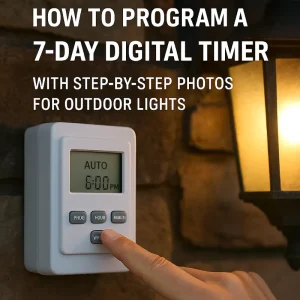
If your heater doesn’t have a timer, consider using an external plug-in timer. This simple tool lets you set specific hours for the heater to run, reducing the risk of overheating or fire hazards.
Think about how long you usually need the heat at night. Setting the timer to turn off the heater after you fall asleep can save energy and keep your home safe.
Monitoring Temperature
Keeping the room temperature steady is key to using a space heater safely overnight. Too hot or too cold can make you uncomfortable and cause the heater to work harder than necessary.
Use a separate thermostat or a heater with a built-in temperature sensor to maintain a comfortable level. Setting it around 65 to 70 degrees Fahrenheit is often enough to keep you warm without overheating.
Have you noticed your heater cycling on and off frequently? This could mean the thermostat needs adjustment or that the heater is too powerful for the room size. Monitoring temperature closely helps you avoid this problem and extend your heater’s lifespan.
Maintenance And Inspections
Keeping a space heater safe requires regular maintenance and careful inspections. These steps help catch problems early and keep the heater working well. Clean and check the heater often. This reduces risks and extends the heater’s life.
Regular Cleaning
Dust and dirt can build up inside the heater. This blocks airflow and makes the heater less safe. Clean the heater’s exterior with a soft cloth. Make sure it is unplugged first. Use a vacuum with a brush attachment to clear vents and grills. Avoid water or sprays inside the heater. Clean often during heavy use periods.
Checking For Faults
Look for signs of damage before each use. Check the power cord for cracks or frays. Make sure the plug fits securely in the outlet. Listen for unusual noises when the heater runs. Smell for burning or strange odors. Test the heater’s safety features, like the tip-over switch. Replace any damaged parts immediately. Do not use the heater if it shows faults.
Emergency Preparedness
Emergency preparedness is crucial when you decide to keep a space heater on overnight. It’s not just about having the heater itself but also about ensuring your environment is equipped to handle any unexpected issues. Taking a few simple precautions can make a big difference in your safety and peace of mind.
Smoke Detector Use
Do you know if your smoke detectors are working properly? Testing them regularly can save lives. A smoke detector will alert you early if the space heater causes any smoke or fire, giving you time to act.
Place smoke detectors in the room where the heater is used. If you don’t have one, install a reliable detector immediately. It’s a small step that offers huge protection, especially when you’re asleep and less aware of danger.
Fire Extinguisher Availability
Have you ever thought about where your fire extinguisher is? Keeping a fire extinguisher nearby can be a lifesaver if the heater sparks a fire. It’s important to know how to use it before an emergency happens.
Keep the extinguisher in an accessible spot, ideally close to the heater. Check that it’s fully charged and not expired. This simple readiness lets you respond quickly and confidently to any fire risk.
Alternatives To Overnight Heating
Keeping a space heater on overnight can raise safety concerns. Luckily, there are safer alternatives that help you stay warm without the risks. These options can be both energy-efficient and comfortable, giving you peace of mind while you sleep.
Central Heating Options
Central heating systems provide consistent warmth throughout your home. Unlike space heaters, they don’t rely on being left on in a single room, reducing fire hazards. You can set a timer or thermostat to control the temperature, which helps save energy.
If your home has a modern central heating system, you might be able to schedule it to turn on before bedtime and off once you’re asleep. This way, your rooms are warm when you need them without running the heater all night.
Have you considered upgrading your thermostat to a smart version? It learns your schedule and adjusts heating automatically, keeping your home cozy while cutting down on unnecessary energy use.
Heated Blankets
Heated blankets offer a direct, personal heat source that’s safer than a space heater. They warm you up quickly without heating the entire room, which can save on heating costs. Many models come with auto shut-off features, reducing the risk of overheating.
Using a heated blanket allows you to keep your room cooler while still feeling warm under the covers. This method can be especially useful if you’re concerned about electric heating devices running unattended.
Do you know that some heated blankets even have adjustable heat settings? This lets you find the perfect warmth level without wasting energy or risking discomfort.
Frequently Asked Questions
Is It Safe To Leave A Space Heater On Overnight?
Leaving a space heater on overnight can be risky. Always use heaters with automatic shut-off features. Ensure the heater is placed away from flammable items. Never leave it unattended to prevent fire hazards and electrical issues.
What Safety Features Should A Space Heater Have?
A safe space heater should include tip-over protection, overheat shut-off, and cool-touch housing. These features help prevent fires and burns. Always choose certified heaters with these safety standards for overnight use.
How Far Should A Space Heater Be From Objects?
Keep space heaters at least 3 feet away from furniture, curtains, and bedding. This distance reduces fire risk and allows proper airflow. Never block heater vents to ensure safe and efficient operation.
Can Space Heaters Cause House Fires Overnight?
Improper use of space heaters is a common cause of house fires. Fires often start due to overheating or contact with flammable materials. Always follow manufacturer guidelines and never leave heaters unattended while sleeping.
Conclusion
Space heaters can be safe overnight with the right care. Always follow the safety rules. Keep the heater away from curtains and furniture. Use heaters with automatic shut-off features. Never leave them unattended for long hours. Turn off the heater if you wake up during the night.
Regularly check the heater for damage or dust. Safety comes first to avoid fire risks. Warmth is important, but safety matters more. Stay cautious and use your space heater wisely.