Have you ever wondered how long your kitchen faucet should really last? You rely on it every day for cooking, cleaning, and more.
When it starts leaking or dripping, it can quickly become a frustrating problem. Knowing the typical lifespan of a kitchen faucet helps you plan for repairs or replacements before it causes bigger issues. You’ll discover what affects your faucet’s durability and how to make it last longer.
Keep reading to save time, money, and stress down the line.
Factors Affecting Faucet Longevity
The lifespan of your kitchen faucet depends on several key factors. Understanding these can help you predict when a replacement might be necessary and how to extend its life. Let’s dive into the main elements that affect how long your faucet will last.
Material Quality
The type of material used in your faucet directly impacts its durability. Faucets made from solid brass or stainless steel tend to last longer than those made from plastic or lower-grade metals.
I’ve seen faucets with brass bodies last over 15 years with minimal issues. On the other hand, cheaper materials often corrode or break down faster, leading to leaks or malfunctions.
Usage Frequency
How often you use your kitchen faucet affects its wear and tear. A faucet in a busy household with multiple daily uses will wear out quicker than one used occasionally.
Think about your daily routine: do you wash dishes multiple times a day, or is the faucet mostly idle? Heavy use means moving parts like valves and cartridges will need replacement sooner.
Maintenance Practices
Regular maintenance can significantly extend your faucet’s life. Simple actions like cleaning aerators, checking for leaks, and replacing worn-out washers prevent bigger problems.
Ignoring small drips or mineral build-up can cause permanent damage over time. Have you ever fixed a leak early on and saved yourself from a costly replacement?
Water Quality
The quality of your water plays a hidden but crucial role in faucet longevity. Hard water, which contains high mineral content, can cause buildup that damages internal parts.
In areas with hard water, faucets may clog or corrode faster unless you install a water softener or clean them regularly. Consider testing your water to see if this might be affecting your faucet’s performance.
:max_bytes(150000):strip_icc()/the-best-kitchen-faucets-according-to-our-tests-badge-tout-3-ed63fc50e3f14e4dbe141b3a8ea19583.jpg)
Credit: www.foodandwine.com
Average Lifespan Of Kitchen Faucets
The average lifespan of kitchen faucets varies widely depending on the type and quality. Understanding this helps plan for replacements and maintenance. Kitchen faucets face daily use, so durability is key.
Different faucets offer different lifespans based on materials and construction. Knowing these differences can guide your choice for long-term satisfaction.
Standard Faucets
Standard kitchen faucets usually last between 10 to 15 years. They are made with common materials like brass or stainless steel. Regular maintenance can extend their life. These faucets balance quality and affordability.
High-end Models
High-end kitchen faucets often last 20 years or more. They use premium materials and advanced technology. Strong finishes resist corrosion and wear. These models come with better warranties too. They are a smart investment for heavy use kitchens.
Budget Options
Budget kitchen faucets generally last around 5 to 7 years. They use lower-cost materials that wear faster. Frequent repairs may be needed. These faucets suit temporary or low-use kitchens. Replacing them sooner is common.
Signs Of A Failing Faucet
Recognizing the signs of a failing kitchen faucet helps avoid bigger problems. Faucets do not last forever. Over time, they wear out and show clear signs. Spotting these signs early saves water and money.
Leaking Issues
Leaks are the most common sign of a failing faucet. Water dripping from the spout or base wastes water. Persistent leaks can damage your sink and cabinets. Small leaks often mean worn-out washers or seals. Ignoring leaks leads to bigger repairs.
Reduced Water Pressure
Low water pressure means the faucet is struggling. Mineral build-up or clogged aerators cause this. It can also indicate internal faucet damage. Reduced flow makes daily tasks harder. Cleaning or replacing parts often fixes this issue.
Rust And Corrosion
Rust spots or corrosion on the faucet surface show wear. These problems weaken the faucet’s structure. Corrosion can cause leaks or water discoloration. Metal parts exposed to water for years often rust. Replacing the faucet is better than patching rust.
Handle Problems
Loose or stiff handles signal faucet trouble. Handles that stick or won’t turn smoothly need attention. This problem often comes from worn internal parts. Difficult handle operation affects water control. Fixing or replacing handles keeps the faucet working well.
Credit: www.prosourcewholesale.com
Extending Faucet Lifespan
Extending the lifespan of your kitchen faucet is easier than you might think. Small, consistent efforts can prevent the need for costly replacements and keep your faucet functioning smoothly for years. Let’s look at practical steps you can take to protect this essential fixture in your home.
Regular Cleaning
Keeping your faucet clean stops buildup that can wear down its finish and internal parts. Use a soft cloth and mild soap to wipe down the faucet weekly. Avoid harsh chemicals or abrasive pads, as they can damage the surface.
Pay special attention to the aerator, which often collects mineral deposits. Unscrew it and soak in vinegar to clear blockages and maintain water flow. Have you checked your aerator recently? It might be the hidden cause of reduced water pressure.
Annual Inspections
Look over your faucet once a year to catch small issues before they become big problems. Check for leaks, loose handles, or unusual noises. Even a tiny drip can waste gallons of water and wear out parts faster.
Inspect the connections under the sink too. Tighten any loose fittings and replace old washers if needed. This simple habit can save you from unexpected water damage and extend your faucet’s life significantly.
Timely Repairs
Don’t ignore minor problems like drips or stiff handles. Fixing them promptly stops further damage and keeps the faucet working well. Many repairs are straightforward and don’t require a plumber.
Replacing worn-out cartridges or washers early can prevent leaks and corrosion. Have you ever left a drip unattended and later faced a costly repair? Acting fast saves both money and hassle.
Water Softener Use
Hard water can shorten your faucet’s lifespan by causing mineral buildup inside the pipes and fixtures. Installing a water softener reduces this risk and protects your faucet’s internal parts.
Soft water also keeps your faucet looking better by preventing stains and spots. If your water feels rough or leaves white residue, a softener might be the upgrade your kitchen needs.
When To Consider Replacement
Knowing when to replace your kitchen faucet saves time and money. Faucets wear out over years of daily use. Small leaks and drips may become frequent and costly. At some point, repair costs rise higher than replacement costs. Old faucets may lack features for better water control or hygiene. Your kitchen style might also call for a fresh look. Watch for signs that signal the right time to upgrade your faucet.
Cost Of Repairs
Frequent leaks and drips increase water bills and cause damage. Repair parts may become hard to find for older models. Labor costs add up with multiple service calls. Sometimes, repairs only fix symptoms temporarily. A new faucet can be more affordable than repeated repairs. Compare repair costs with replacement prices before deciding.
Modern Features
New faucets offer features that improve convenience and safety. Touchless sensors reduce the spread of germs. Pull-down sprayers make cleaning dishes easier. Water-saving technology helps lower utility bills. Temperature control gives better comfort and prevents burns. Upgrading adds value and efficiency to your kitchen routine.
Aesthetic Updates
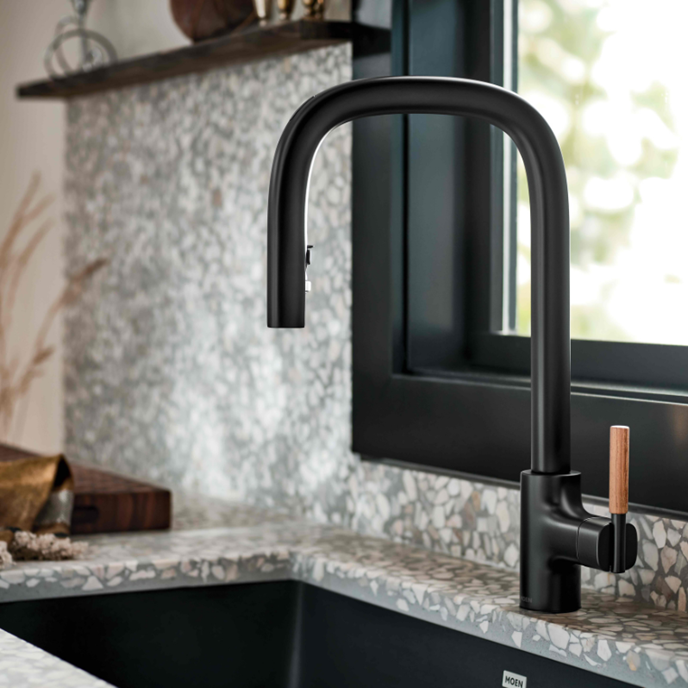
Faucets often show wear like scratches, rust, or faded finish. An old faucet can clash with new cabinets or countertops. Modern designs bring a fresh and stylish look to the kitchen. Choose finishes like matte black or brushed nickel for a trendy feel. A new faucet updates the room without a full remodel.

Credit: www.thehighperformancehome.com
Expert Recommendations
Expert advice helps extend the life of a kitchen faucet. Choosing the right materials, brands, and installation methods makes a big difference. These tips can save money and reduce repairs over time.
Choosing Durable Materials
Faucet materials affect how long it lasts. Brass is sturdy and resists corrosion. Stainless steel also stands up well to wear and tear. Avoid plastic parts, as they break easily. Look for finishes that protect against rust and scratches. Durable materials need less maintenance and keep faucets working longer.
Trusted Brands
Brands with good reputations offer better quality faucets. They test products for reliability and durability. Trusted names often provide warranties that cover defects. Check customer reviews to see real-life performance. Choosing a well-known brand reduces risk of early failures and costly replacements.
Professional Installation
Proper installation is key for faucet longevity. A skilled plumber ensures all parts fit correctly. They prevent leaks and damage caused by incorrect setup. Poor installation can shorten a faucet’s life quickly. Always hire a professional to protect your investment and avoid issues.
Frequently Asked Questions
How Long Does A Kitchen Faucet Typically Last?
A kitchen faucet usually lasts 15 to 20 years with proper care. Quality, usage, and maintenance affect its lifespan significantly.
What Factors Affect A Kitchen Faucet’s Lifespan?
Material quality, water hardness, usage frequency, and regular maintenance impact how long a faucet lasts. Proper cleaning extends its life.
When Should You Replace Your Kitchen Faucet?
Replace your kitchen faucet if leaks, corrosion, or poor water flow occur. Age and wear also signal replacement time.
How Can Maintenance Extend Kitchen Faucet Life?
Regular cleaning, checking for leaks, and replacing worn parts help prolong a faucet’s life. Avoid harsh chemicals to prevent damage.
Conclusion
A kitchen faucet can last many years with proper care. Regular cleaning and fixing small leaks help a lot. Choosing good quality materials also extends its life. Remember, usage and water quality affect how long it works. Replace parts early to avoid bigger problems later.
A well-maintained faucet saves money and trouble. Keep an eye on how it performs. Simple steps keep your kitchen running smoothly. A strong faucet means less hassle every day.